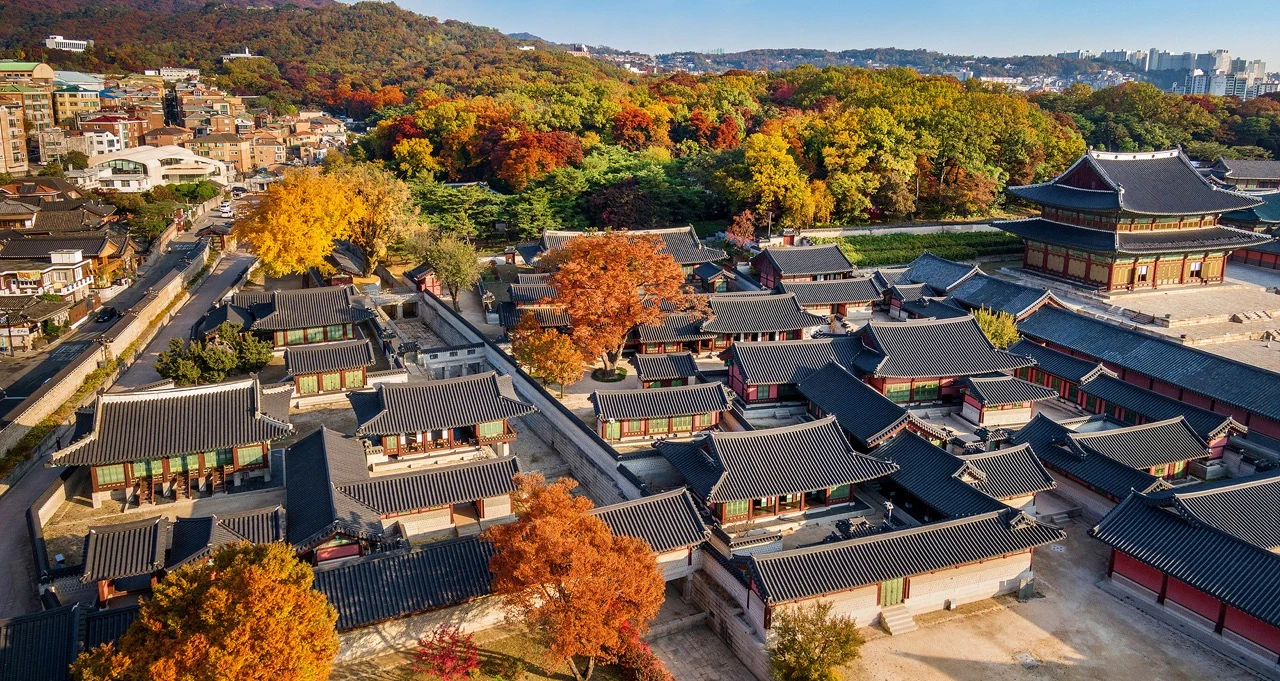
Changdeokgung Palace & Huwon Secret Garden Audio Guide
What you'll hear
Changdeokgung Palace and Huwon Secret Garden can feel difficult to connect when you move from Donhwamun through the inner courts and garden route. This guide helps you follow gates, bridges, throne spaces, and quieter palace areas as one viewing flow.
This audio guide selects representative spaces such as Donhwamun Gate, Geumcheongyo Bridge, Injeongjeon Hall, and the throne interior, then explains royal ceremony, entry symbolism, and architectural context. It helps you understand why each stop matters before moving to the next space.
You can listen on the web right after purchase without installing an app. Choose the chapter for the space you are standing in, or replay key sections before and after your visit.
Recommended for
- First-time visitors who want to understand how Changdeokgung Palace and Huwon connect
- Visitors who want clear context for gates, courtyards, and royal ceremonial spaces
- People who prefer choosing chapters at their own pace instead of following a fixed tour
- Guests who want to review each palace space again after the visit
Included items
- Web audio guide
- Viewing points for Changdeokgung gates, courtyards, and halls
- Royal ceremony, architecture, and UNESCO context explained
- Selectable chapters for the palace and Huwon viewing route
Before you buy
This product is a web-based audio guide. Admission tickets and an in-person guide are not included.
50 artworks · 160 tracks · 1 hr 57 min total audio
Offline download supported
Changdeokgung Palace & Huwon Secret Garden Audio Guide
What you'll hear
Changdeokgung Palace and Huwon Secret Garden can feel difficult to connect when you move from Donhwamun through the inner courts and garden route. This guide helps you follow gates, bridges, throne spaces, and quieter palace areas as one viewing flow.
This audio guide selects representative spaces such as Donhwamun Gate, Geumcheongyo Bridge, Injeongjeon Hall, and the throne interior, then explains royal ceremony, entry symbolism, and architectural context. It helps you understand why each stop matters before moving to the next space.
You can listen on the web right after purchase without installing an app. Choose the chapter for the space you are standing in, or replay key sections before and after your visit.
Recommended for
- First-time visitors who want to understand how Changdeokgung Palace and Huwon connect
- Visitors who want clear context for gates, courtyards, and royal ceremonial spaces
- People who prefer choosing chapters at their own pace instead of following a fixed tour
- Guests who want to review each palace space again after the visit
Included items
- Web audio guide
- Viewing points for Changdeokgung gates, courtyards, and halls
- Royal ceremony, architecture, and UNESCO context explained
- Selectable chapters for the palace and Huwon viewing route
Before you buy
This product is a web-based audio guide. Admission tickets and an in-person guide are not included.