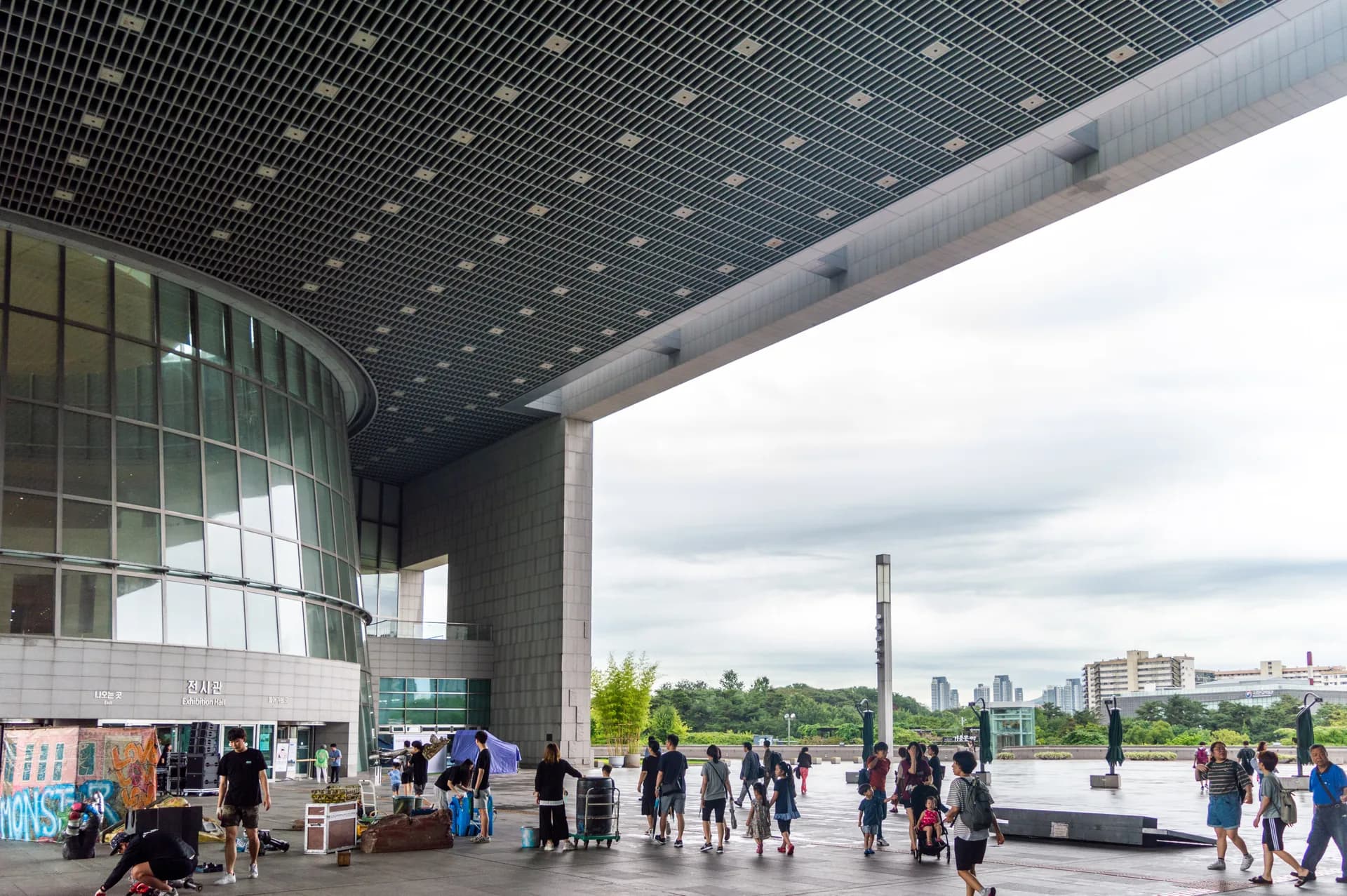
Which Seoul Museums Are Open on Monday?
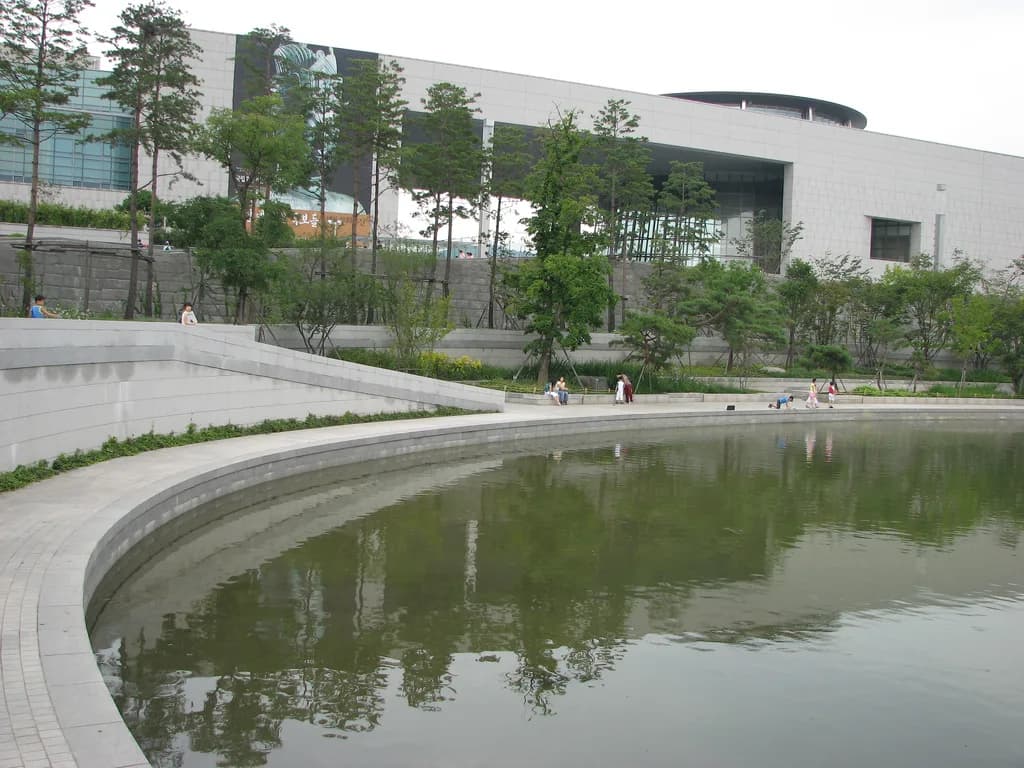
Have a Monday free in Seoul and feel like visiting a museum? You have a few good options. See Korean art and history at the National Museum of Korea, explore royal life at the National Palace Museum, or discover everyday traditions at the National Folk Museum’s Seoul site. Before you choose, check your date—a few Mondays and holidays are days off.
Here’s what you can see at each museum and when to go. Opening details were checked on 19 September 2026; all times are local Seoul time.
Start with your Monday
Quick check: the National Museum has quarterly gallery-closure Mondays; the Palace Museum closes on the last Monday of each month; the Folk Museum’s Seoul site has no regular Monday closure listed. Holiday and temporary closures can still apply. On a phone, swipe the table sideways to see every column.
| Museum and area | Usual Monday hours | Main Monday exception |
|---|---|---|
| National Museum of Korea Yongsan | 9:30 am–5:30 pm Last entry 5 pm | Permanent and special galleries close on the first Monday of March, June, September and December. Check the current year’s exceptions. |
| National Palace Museum of Korea Gyeongbokgung area | 9:30 am–5:30 pm Last entry 5 pm | Closed on the last Monday of each month. If that Monday is a public holiday, the monthly closure moves to the following day. |
| National Folk Museum of Korea — Seoul Samcheong-ro, Gyeongbokgung area | March–October: 9 am–6 pm November–February: 9 am–5 pm Last entry 1 hour before closing | No regular Monday closure is listed. Check holiday closures and temporary notices. |
All three list closures on 1 January, Seollal and Chuseok. Seollal is Lunar New Year’s Day; Chuseok is Korea’s autumn harvest holiday. Their dates change each year. In 2026, the National Museum and Palace Museum list 17 February and 25 September for those holiday closures. Check the Folk Museum’s own notice for your date too.
If you spot a closure notice, check which rooms it names. You may still be able to visit the rest of the museum while one gallery is being renovated.
National Museum of Korea: choose it for a longer visit in Yongsan
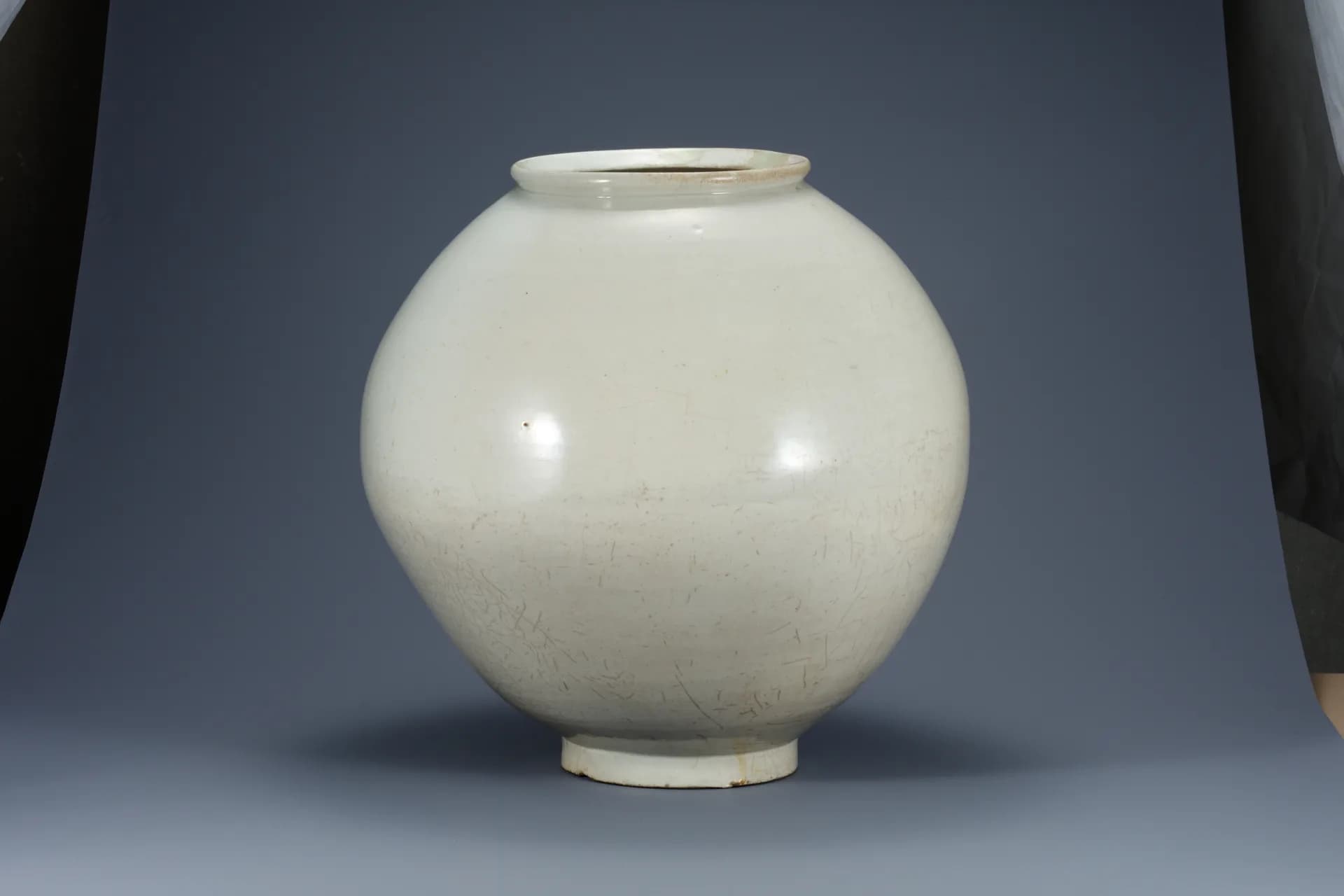
This is a good starting point if you want a broad introduction to Korean history and art. You can choose a period that interests you, then move to ceramics. Pale green celadon and white porcelain offer a simple visual comparison even if the dynasty names are new to you.
Visiting on the first Monday of March, June, September or December? Check the museum’s calendar before setting off: these are usually gallery-closure days. March 2026 was an exception, so it’s worth checking the year as well as the date. The outdoor grounds may be open even when the indoor galleries are closed.
A few rooms are also being renovated. The renovation notice lists several galleries, including Buddhist Sculpture and Metal Crafts, as closed through 28 January 2027. You can still visit the Celadon Gallery and the Buncheong Ware and White Porcelain Gallery under this notice. If there’s a particular room you’re looking forward to, check it before you go.
Set aside a morning or afternoon and take a break whenever you need one. Pick a few galleries that interest you—you can always come back for more. General admission is free, though some special exhibitions have a separate charge.
National Palace Museum of Korea: choose it for royal life
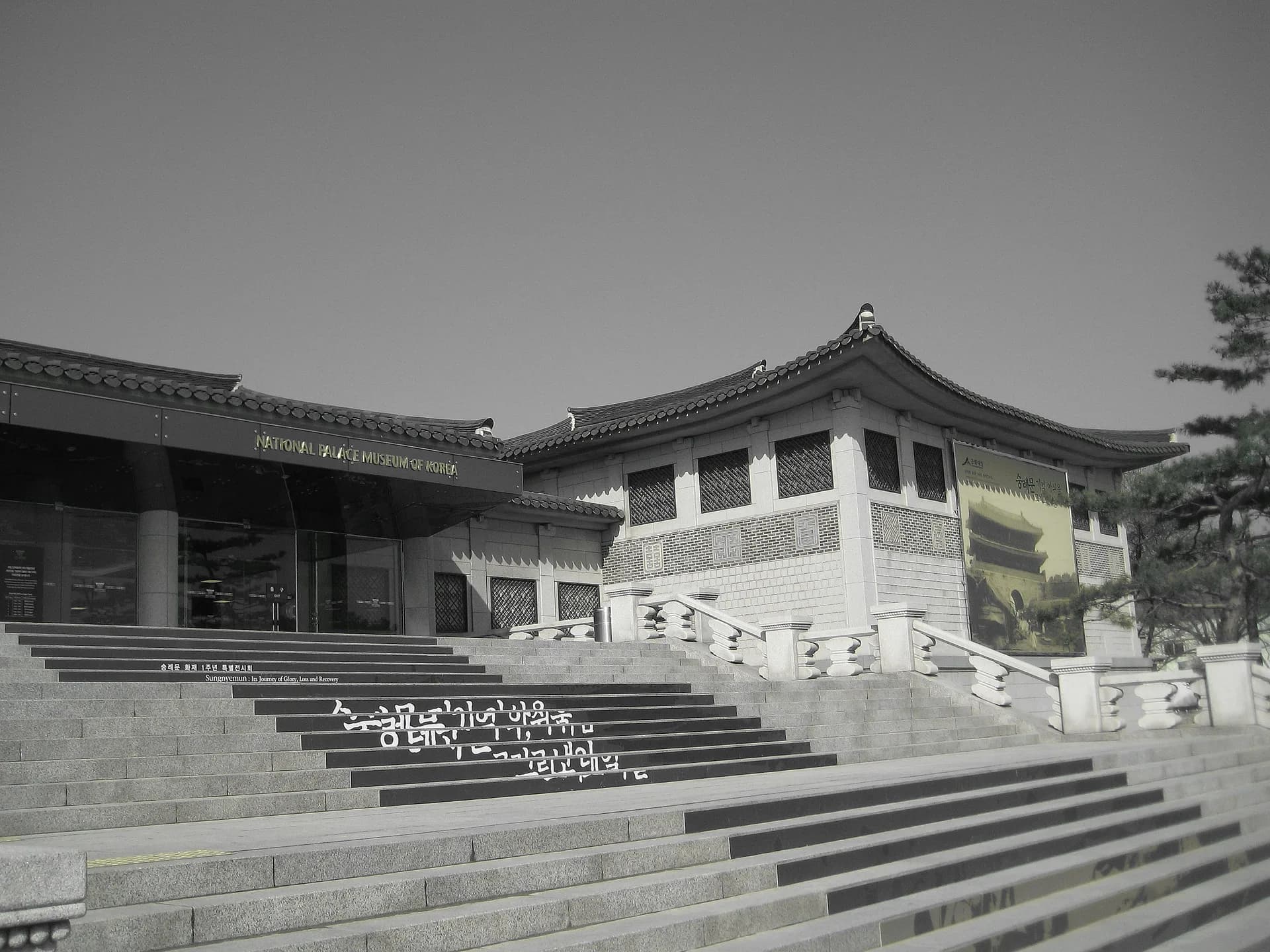 Photo: Gilbert Corrales Villalobos / Wikimedia Commons, CC BY-SA 2.0 · Creative Commons Attribution-ShareAlike 2.0 Generic
Near Gyeongbokgung, this museum focuses on the Joseon royal court and the Korean Empire. Royal clothing, ceremonial objects and objects used in palace life help explain the people behind the palace buildings. It suits visitors who want that context before or after exploring the area.
Is your visit on the last Monday of the month? That’s usually the museum’s day off. If that Monday is a public holiday, the monthly closure moves to Tuesday. New Year’s Day, Seollal and Chuseok have their own closures too, so take a quick look at the calendar before heading over.
You’ll find the details on the official visiting page. General admission is free. If you’re also visiting Gyeongbokgung Palace, check its opening days separately—the palace and museum follow different schedules.
National Folk Museum of Korea: choose the Seoul site for everyday life
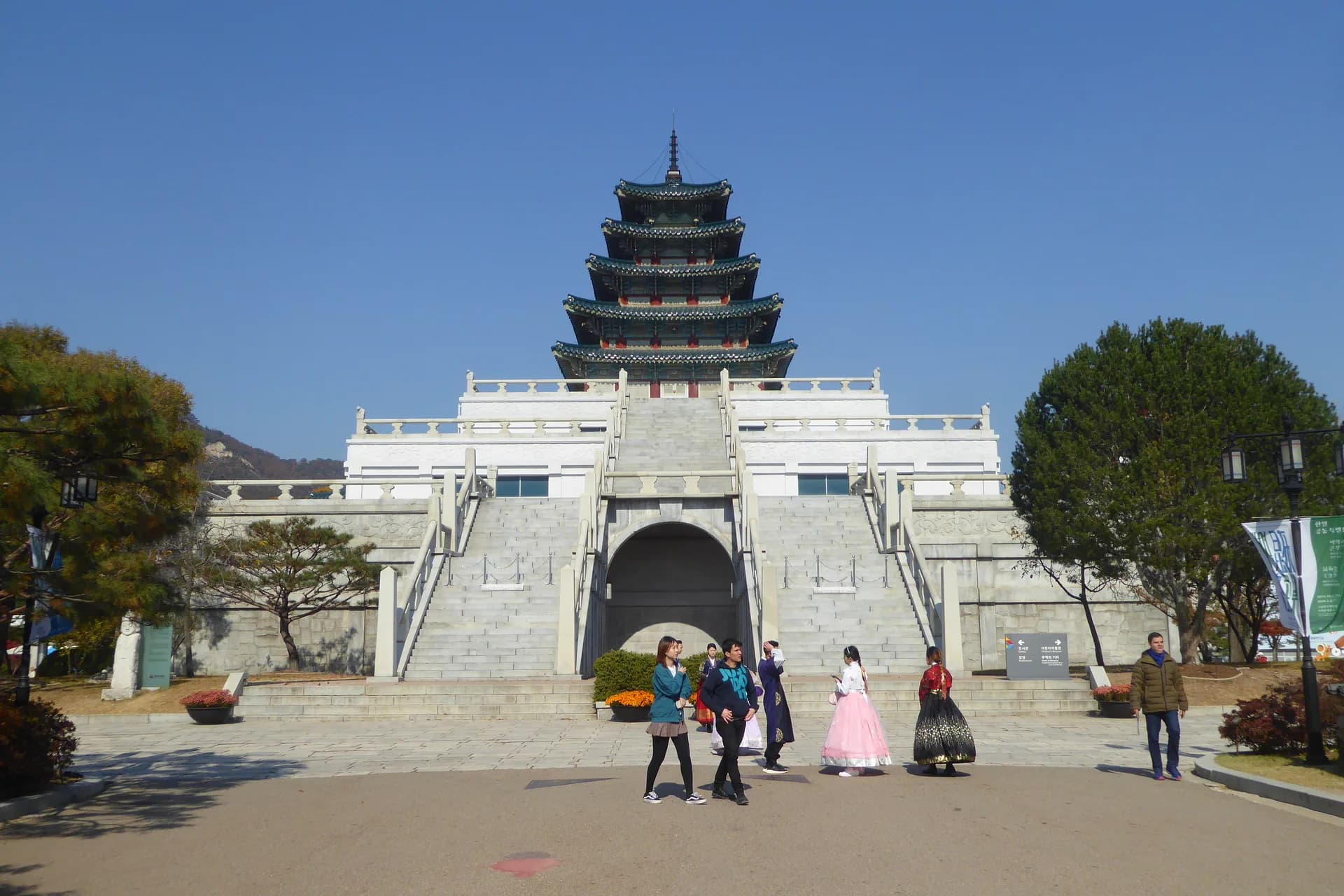 Photo: Ethan Doyle White / Wikimedia Commons, CC BY-SA 4.0 · Creative Commons Attribution-ShareAlike 4.0 International
Curious about everyday life in Korea? Here you can explore seasonal customs, family celebrations and familiar household objects. Start with something that catches your eye, then find out who used it and how.
For this visit, save 37 Samcheong-ro, Seoul in your map. Choose the Seoul site on the museum’s website too; its other site is in Paju.
The Seoul museum normally opens on Mondays, with longer hours from March to October. Admission is free, and you can visit the regular exhibitions without booking online. Book separately for the Children’s Museum, and buy a palace ticket if you’d like to enter Gyeongbokgung as well.
Before you leave, take a quick look at the Seoul visiting page and latest English notices. If guided tours are paused, you may still be able to explore on your own. Some notices cover only a single gallery or part of the grounds.
Pick one area before adding a second museum
For a Yongsan day: give the National Museum of Korea the main part of your museum time. Choose two or three sections you want to see, then decide whether you still have energy for more.
For a Gyeongbokgung-area day: start with the Palace Museum if royal history interests you, or the Folk Museum if everyday life is your focus. Add the other only if both are open on your date and you want another visit. Check the palace separately if you plan to enter it.
There is no need to fit all three into one day. For a fuller comparison of what each place offers, see which Seoul history museum to visit. If the historical names are unfamiliar, where to start with Korean history in Seoul gives you a starting point.
A quick check before you leave
Before heading out, open your chosen museum’s official page. Check for holiday closures, monthly or quarterly days off, and any rooms being renovated. Make a note of the last entry time, then save the address in your map.
Once you’ve checked your date, pick a few things you’d love to see and leave yourself time to enjoy them.
Sources & production notes
- National Museum of Korea — Viewing hours · National Museum of Korea · Official source
월요일 시간·입장 마감·분기 첫 월요일 휴실·2026년 3월 예외·명절 휴관·입장료 확인.
Source checked · Automated check
- Temporary gallery closures, July 2026–January 2027 · National Museum of Korea · Official source
불교조각·금속공예 등 휴실과 청자·분청·백자실 개실을 구분.
Source checked · Automated check
- National Palace Museum — General Information · National Palace Museum of Korea · Official source
마지막 월요일 휴관·공휴일 다음날 이월·명절·월요일 시간·무료입장 확인.
Source checked · Automated check
- Life in the Royal Family · National Palace Museum of Korea · Official source
왕실 의복·생활·의례 관련 유물 소개를 공식 상설 전시 설명과 대조.
Source checked · Automated check
- National Folk Museum — Seoul visiting information · National Folk Museum of Korea · Official source
브라우저에서 서울관 계절별 운영·마지막 입장·휴관·주소·예약 구분·별도 궁궐 표 안내 확인.
Source checked · Automated check
- National Folk Museum — English notices · National Folk Museum of Korea · Official source
최신 공지 목록 확인. 해설 중단·야외전시 실내 공간 통제·개별 전시실 휴실·박물관 휴관을 구분.
Source checked · Automated check
- White porcelain moon jar — collection record · National Museum of Korea · Official source
중앙 이미지 원장의 공식 소장품 기록과 대조. 소장품 사진을 현재 전시 보장으로 서술하지 않음.
Source checked · Automated check
Produced by ListenTrip
Written by ListenTrip
AI was used in creating this content.