Gyeongbokgung and Seoul’s Museums in One Day
A first-time visitor’s route for palace architecture, royal culture, everyday life, and one carefully chosen museum finale.
 ListenTrip 제작 이미지
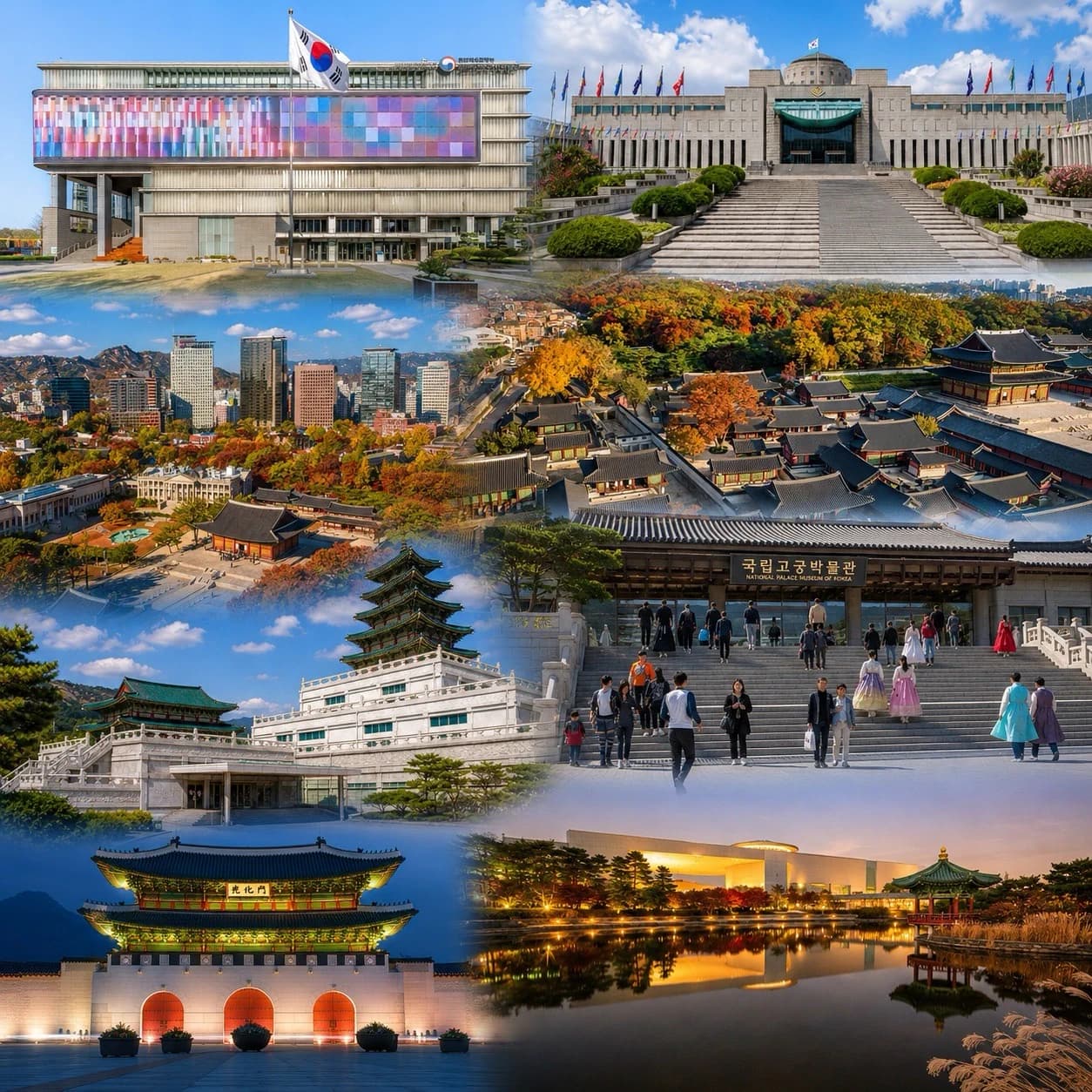
Four major cultural stops can fit on one Seoul day only if they are not given equal weight. Start with Gyeongbokgung Palace, then stay in its immediate orbit for the National Palace Museum of Korea and the National Folk Museum of Korea. By mid-afternoon, make a genuine choice: linger in Samcheong-dong, or travel south to Yongsan for a selective evening at the National Museum of Korea. That small act of editing turns a checklist into a day you can still remember.
Build the day around the palace, not the number of museums
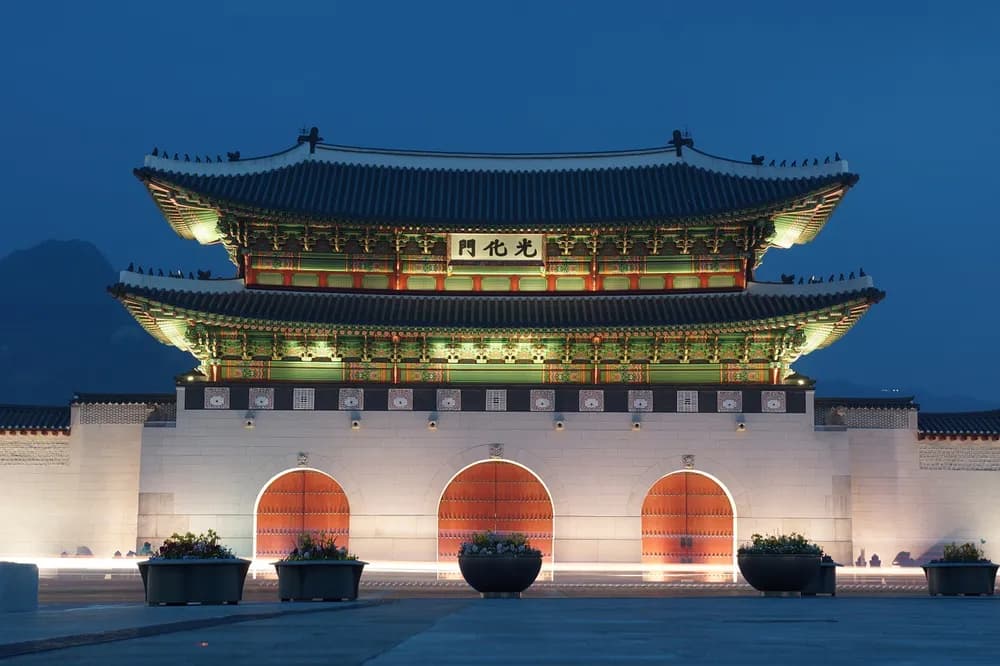
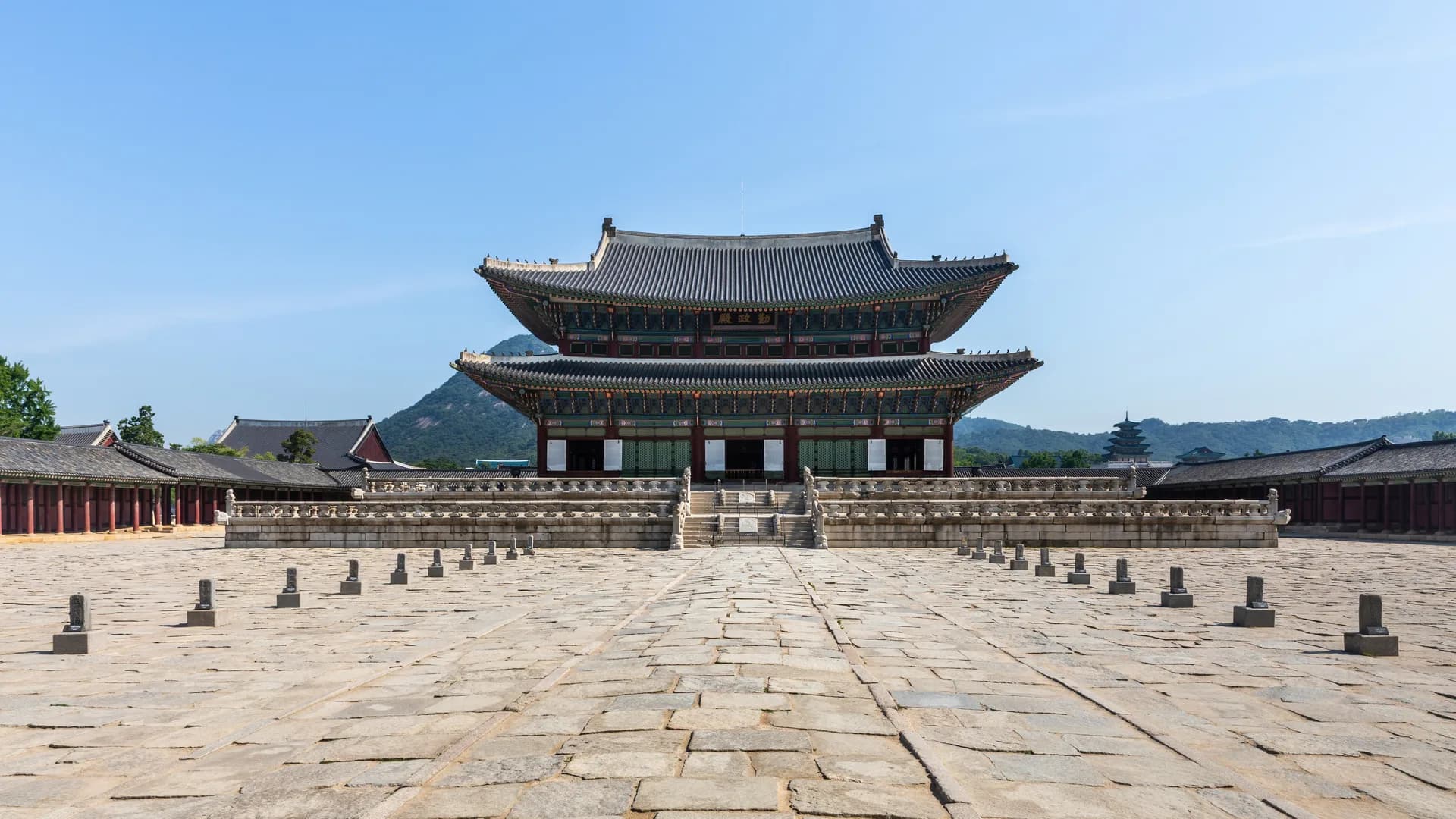
The palace is the time-sensitive anchor: it is outdoors, demands the most walking, and has the earliest-feeling deadline. In the June–August season, Gyeongbokgung is open 09:00–18:30, but last entry is 17:30 and visitors are encouraged to begin leaving 30 minutes before closing. It is regularly closed on Tuesdays; when that Tuesday is a public or substitute holiday, the closure shifts to the next non-holiday. In other words, choose a non-Tuesday for the full route and arrive close to opening.
| Place | Usual access pattern to plan around | What it means for this itinerary |
|---|---|---|
| Gyeongbokgung Palace | Closed Tuesdays. Hours change by season; June–August is 09:00–18:30, last entry 17:30. | Go first. A palace ticket is separate from museum admission. |
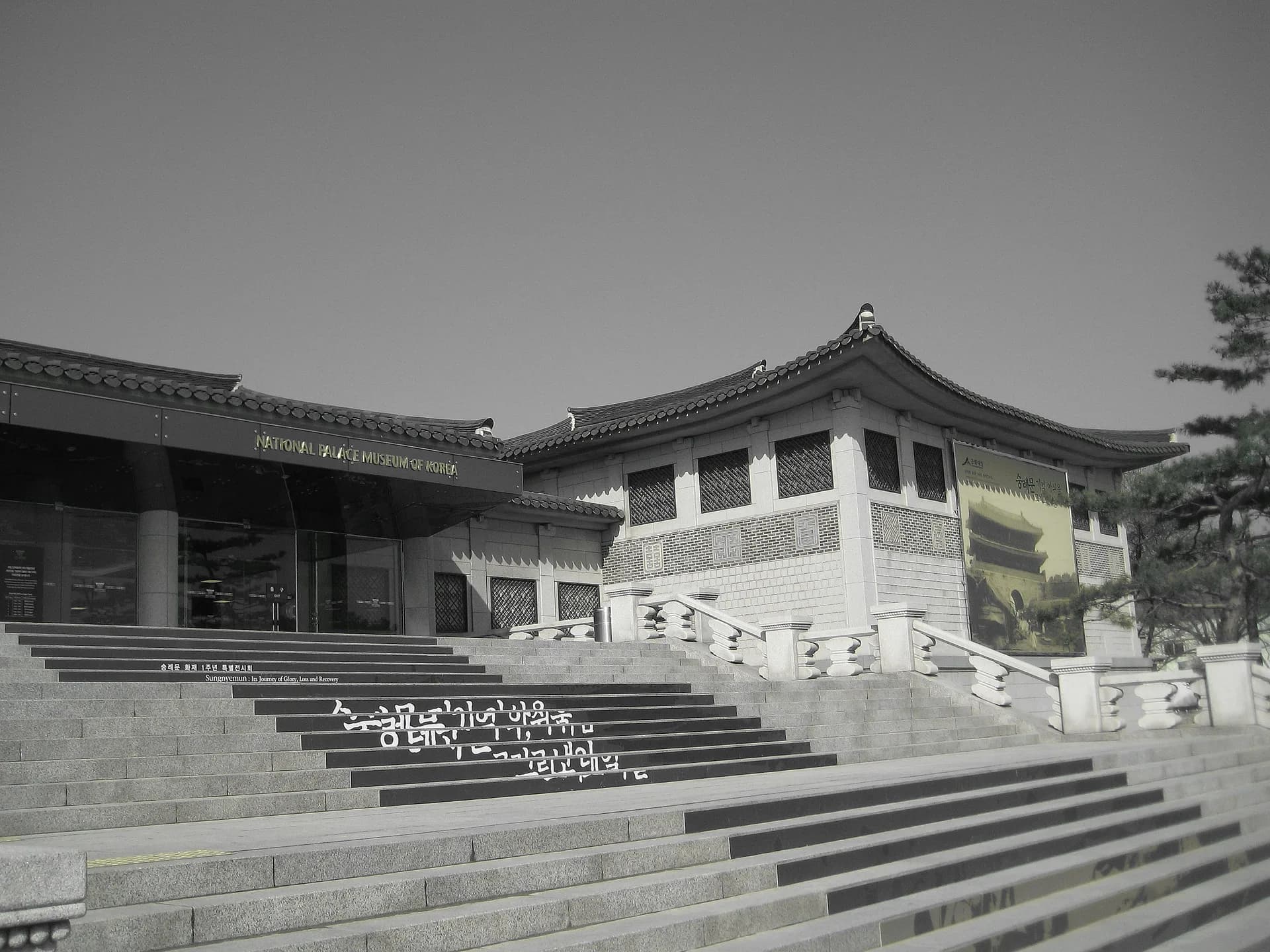
| National Palace Museum of Korea | 09:30–17:30 Monday–Friday and Sunday; until 21:00 Saturday and the last Wednesday of each month. Closed on the last Monday and major holidays. | The compact royal-culture companion; it is easiest immediately after the palace. |
| National Folk Museum of Korea | March–October 09:00–18:00, last entry 17:00; Wednesday until 20:00, last entry 19:00. Closed January 1, Seollal, Chuseok, and a listed temporary closure on July 7, 2026. | Use its Samcheong-ro front gate or approach from the palace area. Museum admission is free, while palace admission is not. |
| National Museum of Korea | Usually 09:30–17:30; until 21:00 Wednesday and Saturday, with entry ending 30 minutes before close. Holiday and gallery-specific closures can differ. | Best as an evening extension, especially Wednesday or Saturday—not as a hurried final hour. |
Morning: let the palace set the pace
Plan 90–120 minutes for Gyeongbokgung. This is enough time to notice the changing scale of gates, courtyards, halls, mountain backdrop, and open ground without turning the visit into a race from photo point to photo point. Begin at the main approach, then allow yourself to pause where the shade, a roofline, or a view toward Bugaksan makes you stop. The point is not to account for every building; it is to feel how a royal compound choreographs movement.
- 09:00–11:00: Gyeongbokgung Palace, beginning near opening time.
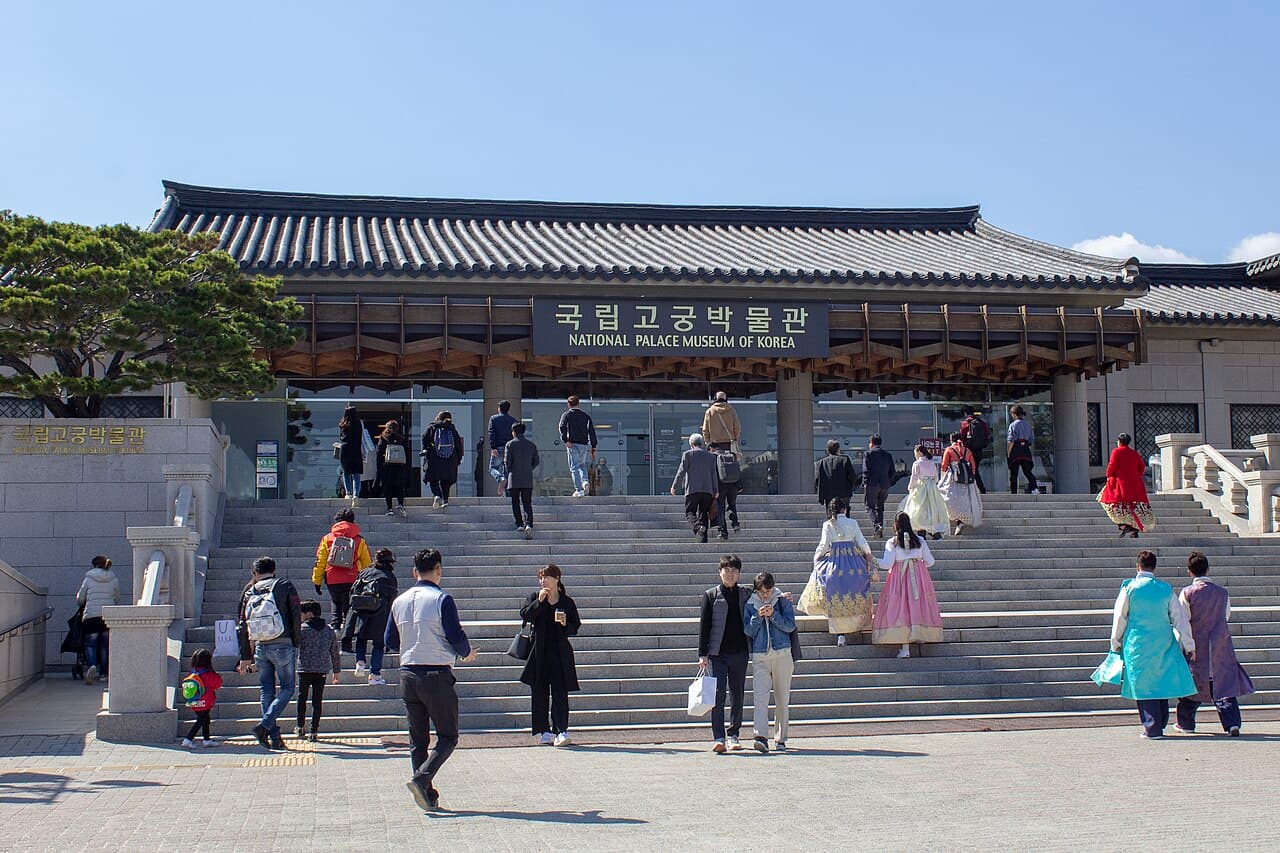
- 11:10–12:00: National Palace Museum of Korea. Give priority to the galleries that make the palace legible—kingship, court life, ritual, science, or the Korean Empire—rather than trying to see all floors.
- 12:00–13:15: Lunch, water, and a seated break. This is part of the itinerary, not lost time.
- 13:15–14:30: National Folk Museum of Korea. Choose one or two permanent-gallery threads, such as the Korean year, domestic life, or rites of passage, then step outside only if access and weather make it comfortable.
The two museums create a useful contrast. The National Palace Museum extends what the palace has just shown you: the objects, ceremonies, hierarchy, and technologies of royal life. The National Folk Museum changes the register to ordinary lives, seasonal customs, homes, work, and family milestones. Together, they keep the palace from becoming only a beautiful backdrop.
One access detail worth remembering: the National Folk Museum is not simply a gallery to stumble upon inside the palace. Its front gate is at 37 Samcheong-ro, and the museum’s directions describe a roughly 15-minute walk from Anguk Station Exit 1 or Gwanghwamun Station Exit 2. Its admission is free, while entry to Gyeongbokgung requires a separate ticket.
At 2 p.m., decide whether the day has an encore
This is the itinerary’s useful dividing line. If you have moved through the palace district with energy to spare—and it is Wednesday or Saturday—the National Museum of Korea can become a rewarding second act. If your feet are tired, or if the palace and two nearby museums already feel complete, do not force it. Samcheong-dong’s lanes, a long coffee, or an unhurried return through the palace district are better endings than arriving at Korea’s largest national museum mentally checked out.
The optional extension: National Museum of Korea
Budget about 45 minutes door to door from the Gyeongbokgung area to the National Museum of Korea, including the subway transfer and the walk from Ichon Station. A practical route is Line 3 from Gyeongbokgung Station to Chungmuro, then Line 4 to Ichon; from Exit 2, walk about 150 metres toward Yongsan Family Park. Check a live map before leaving, since transfer and platform conditions can change.
Arrive with a short wish list, not the ambition to “do the museum.” On Wednesday and Saturday, the museum’s 21:00 closing gives this extension breathing room; on ordinary days, the usual 17:30 closing makes the transfer much less attractive. Entry ends 30 minutes before closing. The museum also distinguishes whole-building holiday closures from scheduled closures of permanent and special galleries on the first Monday of March, June, September, and December. Check both the building and the galleries you hope to see before committing to the journey.
A good one-day version is one major gallery, one highlight, one pause: perhaps the Silla Gold Crowns or the Goryeo celadon galleries, then the monumental Pensive Bodhisattva, followed by a rest in the museum’s spacious public areas. The National Museum of Korea deserves a return visit; giving it a deliberate 90–150 minutes is more satisfying than reducing it to a stamp on the day’s itinerary.
If your day is Tuesday—or a closure day
Tuesday changes the route because Gyeongbokgung is normally closed. The nearby National Palace Museum and National Folk Museum may still be operating, but their closure calendars are separate: the Palace Museum closes on the last Monday as well as major holidays, while the Folk Museum has its own holiday closures. On a Tuesday, make the two museums a quieter cultural day and save Gyeongbokgung for another morning rather than pretending the palace is interchangeable with its collections.
Before you leave your hotel: a two-minute check
- Confirm the date-specific opening hours and last-entry times for all four places; seasonal hours and special operations can change.
- Check the palace notice for weather-related ceremony changes, gate works, or restricted areas.
- For the National Folk Museum, remember that indoor access to the outdoor exhibition area is restricted on weekends and public holidays for safety.
- If considering Yongsan, confirm that the National Museum of Korea’s permanent and special galleries—not only the building—are open, then choose one collection priority before you board the subway.
The generous version of this day is not four institutions completed at the same speed. It is a morning in a royal landscape, two nearby museums that give that landscape human texture, and—only when the clock and your attention permit—a night at the National Museum of Korea. Leave one place slightly unfinished. Seoul will reward you for having a reason to return.
Sources & production notes
- National Folk Museum of Korea - 영어 > Visitors Information > Directions > Seoul · 국립민속박물관 · Official source
Confirms the Seoul museum location and public transport directions.
Source checked · Automated check
- National Folk Museum of Korea - 영어 > Visitors Information > Visiting · 국립민속박물관 · Official source
Confirms free admission and the different reservation rules for general and children’s exhibitions.
Source checked · Automated check
- National Palace Museum of Korea · 국립고궁박물관 · Official source
Confirms the museum’s coverage of the Joseon royal court and the Korean Empire.
Source checked · Automated check
Produced by ListenTrip
AI was used in creating this content.