A Three-Day Seoul History Itinerary
Three historical questions, three manageable days—and one national museum that can move when your schedule needs it.
 ListenTrip 제작 이미지
Seoul makes it surprisingly easy to turn history into a checklist: five palaces, several national museums, the War Memorial, and enough smaller sites to fill a week. With three days, the better approach is not to collect buildings. Give each day one question, leave space for lunch and tired feet, and let the National Museum of Korea move to whichever afternoon has the best combination of weather, opening hours, and energy.
Let the weekdays choose the order
The order below is thematic, not fixed. Gyeongbokgung is normally closed on Tuesday, while Changdeokgung and Deoksugung are normally closed on Monday. The War Memorial also closes on Monday. When a palace closure coincides with a public or substitute holiday, it generally moves to the next non-holiday. This means Monday is often the natural Gyeongbokgung day and Tuesday works well for Changdeokgung or Deoksugung. One extra wrinkle: the National Palace Museum closes on the last Monday of each month, even though Gyeongbokgung itself may be open.
| Day | Historical question | Core route |
|---|---|---|
| Day 1 | How did the Joseon court present royal authority? | Gyeongbokgung → National Palace Museum → National Folk Museum, if you still want more |
| Day 2 | What did the long life of the dynasty feel like beyond ceremony? | Changdeokgung and Huwon → long lunch → optional National Museum of Korea |
| Day 3 | How did dynasty become empire, division, war, and a modern republic? | Deoksugung → National Museum of Korean Contemporary History → War Memorial of Korea |
Day 1 — Gyeongbokgung and the language of royal authority
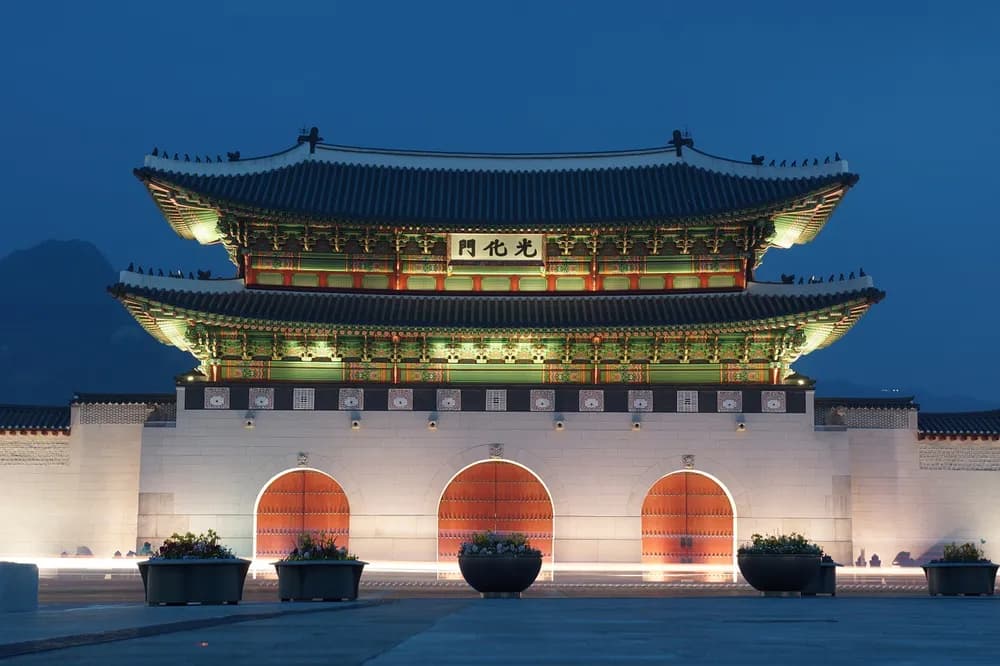
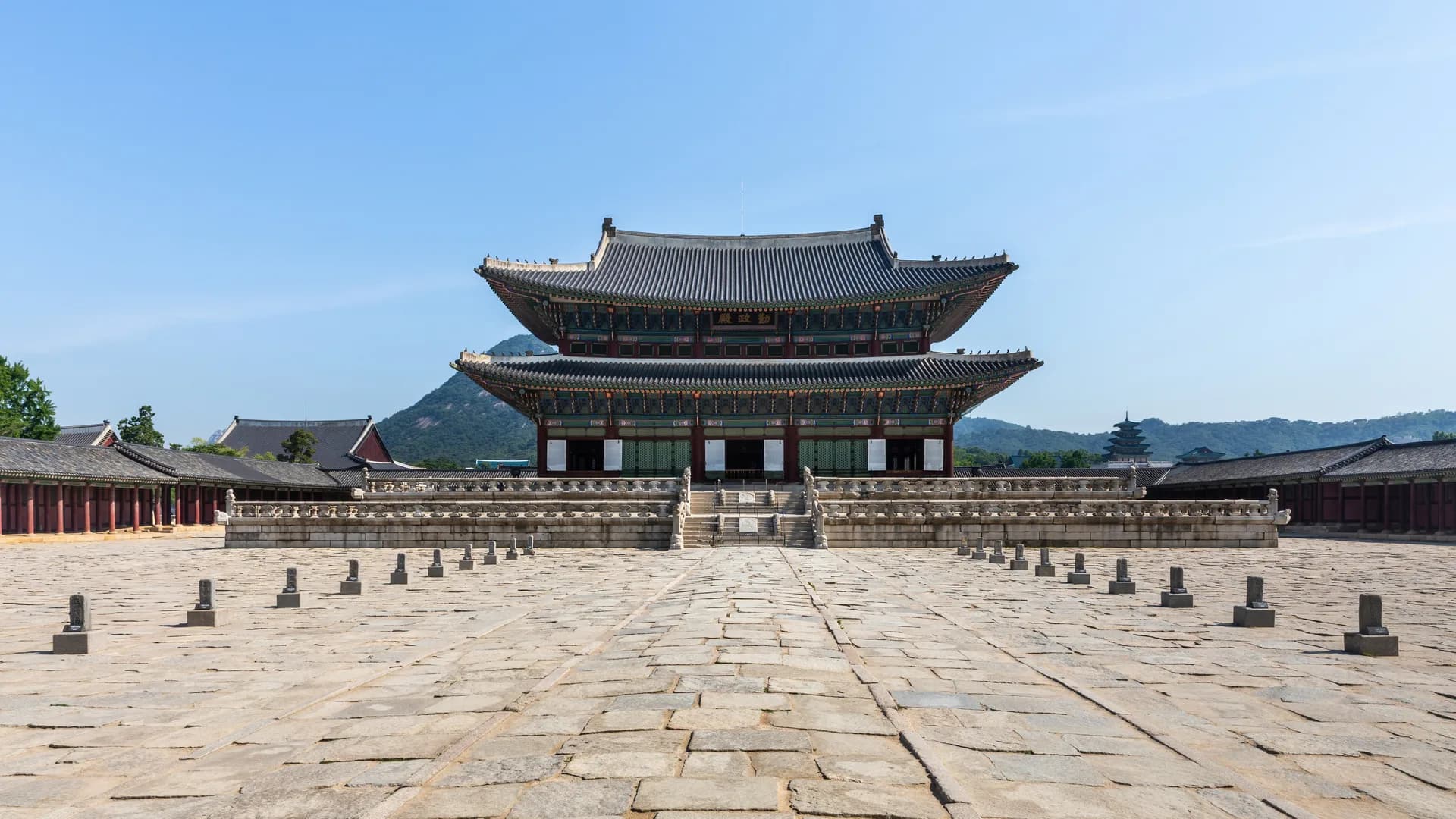
Begin at Gwanghwamun Gate when the palace opens. Gyeongbokgung is the right place to understand the capital as a statement: broad courtyards, repeated gates, mountain views and a deliberate process of approaching the throne hall. Give the palace about two hours, but do not feel obliged to inspect every building. The central ceremonial axis matters more than the final count of halls.
- 09:00–11:15: Gyeongbokgung. Start with the main ceremonial route, then wander toward the quieter northern grounds if the weather is comfortable.
- 11:30–12:45: National Palace Museum of Korea. Move from architecture to royal objects, rituals, science and court life.
- 12:45–14:15: Lunch and a genuine pause. Sit down rather than eating while walking; the palace grounds have already asked more of your feet than the map suggests.
- 14:15–15:45: National Folk Museum of Korea, or finish the historical program here and keep the afternoon free.
- After 16:00: Recovery time around Gwanghwamun or your hotel, not another palace.
The two museums answer different questions. Choose the National Palace Museum if royal seals, court ceremonies, clothing and the mechanics of monarchy interest you. Choose the National Folk Museum if you would rather move away from kings and toward seasonal customs, family life and the rhythms of ordinary people. They sit within the same broad palace precinct, so there is no meaningful transit journey, but crossing the grounds and finding the correct entrance can still take 10–15 minutes. Seeing both is possible; enjoying both deeply after a full palace morning is less certain.
Day 2 — Changdeokgung, Huwon, and the long Joseon story
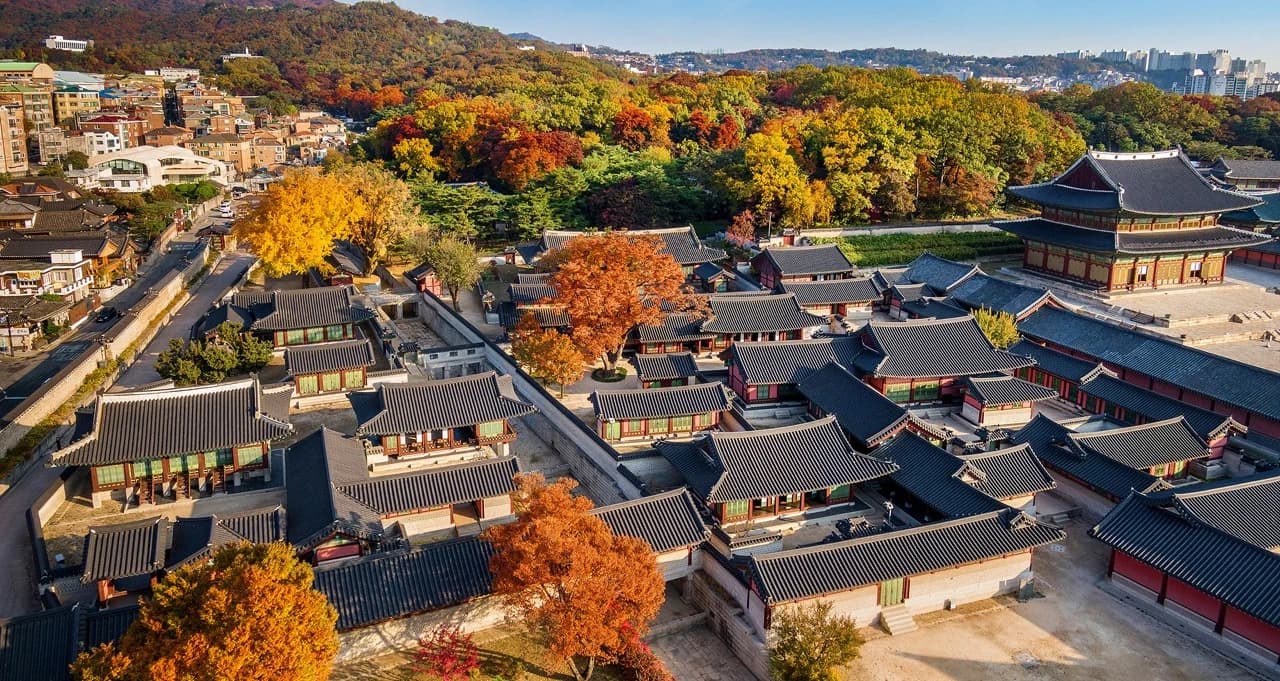
Changdeokgung feels less like a diagram of power and more like a place where royal life had to adjust to slopes, trees and existing terrain. The key decision is Huwon, the rear garden. Entry is limited by time and capacity, so a booked garden slot should shape the day rather than being squeezed between other stops. The main palace buildings do not require advance booking; Huwon can sell out, with places divided between online reservations and same-day sales.
- 09:00–10:15: Changdeokgung’s main palace area. If your Huwon time is later, slow down rather than adding a nearby attraction.
- Late morning or early afternoon: Huwon at your reserved time. Arrive at the meeting point early; this is the appointment that governs the day.
- After Huwon: Take at least an hour for lunch near Anguk. A garden visit in summer humidity or winter cold can be more tiring than an indoor museum.
- Optional late afternoon: National Museum of Korea. Allow roughly 45 minutes door to door from Changdeokgung, including the walk to Anguk Station, the subway journey and the walk from Ichon Station.
- At the museum: Stay focused on the first-floor Medieval and Early Modern History galleries. Do not attempt the entire building.
The National Museum is the movable piece in this itinerary. On Wednesday and Saturday it stays open until 21:00, making this pairing much more relaxed. On an ordinary 17:30 closing day, go only if you can leave Changdeokgung after lunch and reach the museum by about 15:00. Otherwise, move it to the afternoon of Day 1, particularly on a Monday when your palace-area museums are closed or your legs need an indoor recovery stop. The first-floor route connects Goryeo, Joseon and the Korean Empire without requiring you to climb through every art gallery.
Day 3 — From the Korean Empire to war and division
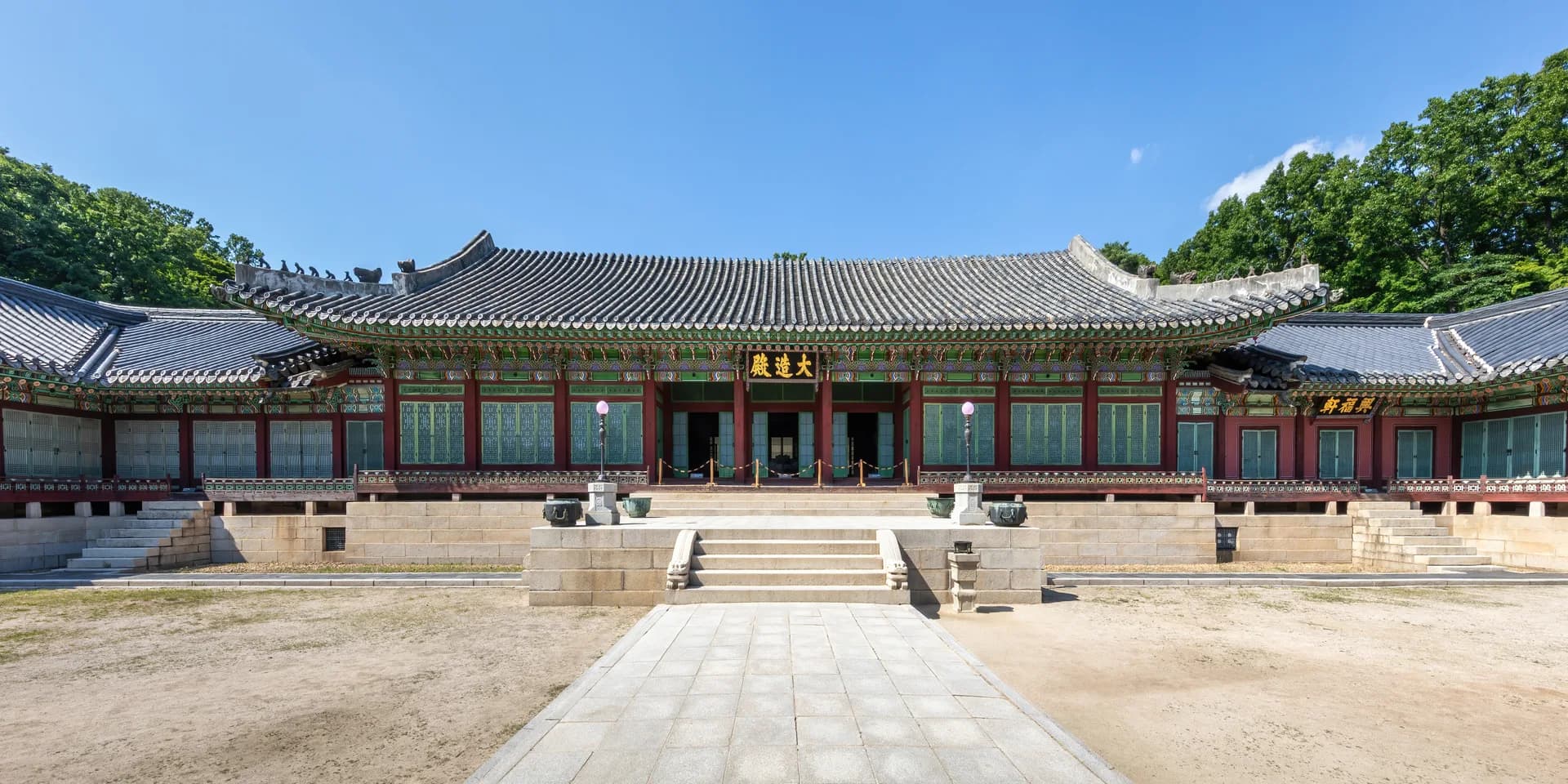
The third day is geographically split between central Seoul and Yongsan, but the sequence is worth preserving. At Deoksugung, traditional palace halls stand close to Western-style imperial architecture. From there, the contemporary-history museum carries the story into the transformations of modern Korea. The War Memorial then gives war and national division the time and physical scale they require.
- 09:00–10:45: Deoksugung. Concentrate on the contrast between Junghwajeon and Seokjojeon rather than treating the palace as a smaller Gyeongbokgung.
- If Seokjojeon is essential to you: Reserve or check the applicable guided-entry arrangements. Without an interior slot, the palace grounds and exterior comparison still make a coherent visit.
- 10:45–11:10: Walk toward Gwanghwamun. The National Museum of Korean Contemporary History is about a 15–20 minute walk from the palace, depending on crossings and your pace.
- 11:10–12:45: National Museum of Korean Contemporary History. Keep the visit selective so the later war galleries do not become a rushed afterthought.
- 12:45–14:00: Lunch and a quiet break.
- 14:00–14:45: Travel to the War Memorial. Allow 35–45 minutes door to door by public transport, including transfers and station walks.
- 14:45–17:30: War Memorial of Korea. Choose a few sections and include the outdoor displays if the weather permits.
The War Memorial is open from 09:30 to 17:40, with final admission at 17:00, and it should not be saved for the final hour of the day. For travel in 2026, note two temporary disruptions: access to the second-floor Korean War I gallery is restricted from July 6 through November 11, and central-lobby information-desk work is scheduled from August 24 through September 23. These notices do not establish that the whole institution or main entrance is closed, so check the current notice before visiting rather than removing the War Memorial from the itinerary altogether.
Closures and access details worth saving
| Place | Regular closure and current access |
|---|---|
| Gyeongbokgung | Normally closed Tuesday. Seasonal hours run from 09:00, with earlier winter closing and later summer closing. A palace closure coinciding with a public or substitute holiday moves to the next non-holiday. |
| National Palace Museum of Korea | Closed January 1, Seollal day, Chuseok day and the last Monday of each month. Usually open 09:30–17:30, with late opening on Saturday and the last Wednesday of the month. |
| National Folk Museum of Korea | No weekly closure listed. Closed January 1, Seollal day and Chuseok day. Open 09:00–18:00 from March through October and until 17:00 from November through February; Wednesday evening hours run in the warmer season. Interiors within the outdoor exhibition area may be restricted on weekends and public holidays. |
| Changdeokgung and Huwon | Normally closed Monday, with the palace holiday-shift rule. Palace closing times vary by season. Huwon is limited to timed entries and fixed capacity; reserve if it is central to your day. |
| National Museum of Korea | Closed January 1, Seollal day and Chuseok day. Permanent and special galleries also close on the first Monday of March, June, September and December, subject to the museum’s annual notice. Open until 21:00 on Wednesday and Saturday. Several second- and third-floor calligraphy, painting, Buddhist art and craft galleries are partially closed for renovation through January 28, 2027; the principal first-floor history route remains available. |
| Deoksugung | Normally closed Monday, with the palace holiday-shift rule. The grounds are open 09:00–21:00; Seokjojeon uses limited guided entry and advance reservation arrangements. |
| National Museum of Korean Contemporary History | No weekly closure listed. Closed January 1, Seollal day and Chuseok day. Open 10:00–18:00, with late opening until 21:00 on Wednesday and Saturday. |
| War Memorial of Korea | Normally closed Monday. If a holiday period includes Monday, it closes on the day after that holiday period. Open 09:30–17:40, with final admission at 17:00. Temporary 2026 gallery and lobby restrictions are described above. |
How to make the route yours without breaking its logic
- If you dislike large museums, skip the National Museum of Korea rather than shortening every palace. The three-day historical arc still works without it.
- If rain is forecast, place the National Museum of Korea on the wettest afternoon and protect Changdeokgung and Huwon for the better weather day.
- If you have only one palace day, choose Gyeongbokgung for ceremony and capital planning, Changdeokgung for residence and garden, or Deoksugung for the transition into empire and modernity.
- If Day 1 becomes tiring, choose either the Palace Museum or the Folk Museum. The Palace Museum is the stronger continuation of Gyeongbokgung; the Folk Museum is the better change of perspective.
- If Day 3 feels emotionally heavy, take the full lunch break before the War Memorial. Do not solve fatigue by racing through the earlier museums.
Three days will not make Seoul’s history feel complete, and that is not the aim. What this route offers is a legible sequence: first the confident architecture of a new royal capital, then a dynasty adapting across centuries, and finally the uneasy passage through empire, occupation, war, division and rapid modern change. With one serious stop left out whenever your attention begins to fade, the city’s history has a better chance of remaining a story rather than becoming a blur of painted eaves and display cases.
Sources & production notes
- National Palace Museum of Korea · 국립고궁박물관 · Official source
Confirms the museum’s coverage of the Joseon royal court and the Korean Empire.
Source checked · Automated check
Produced by ListenTrip
AI was used in creating this content.