Seoul Museum Comparison: National, Palace or Folk Museum?
Choose by the question you want Korea’s history to answer—not by which museum name sounds most familiar.
 ListenTrip 제작 이미지
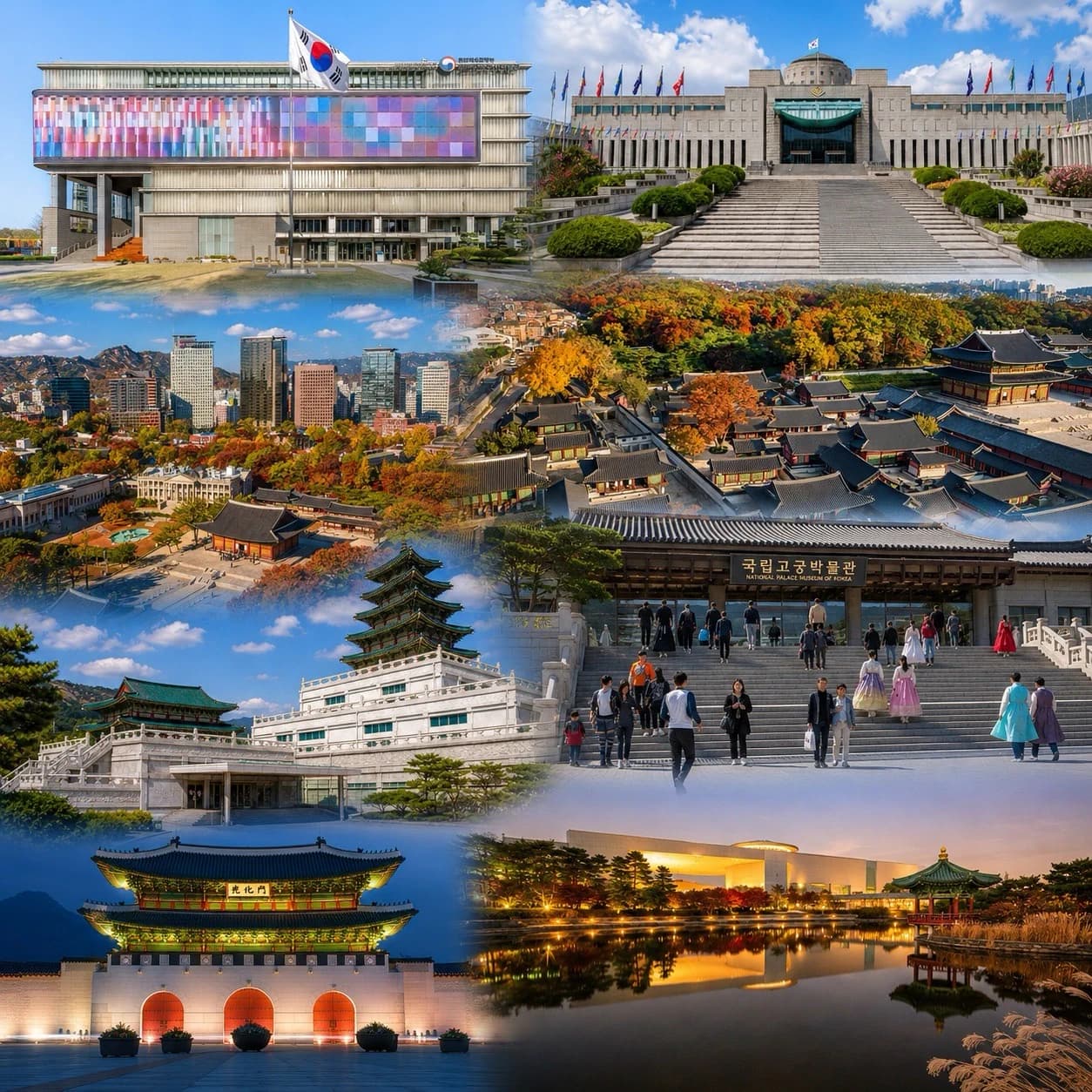
Choose the National Museum of Korea for the broadest introduction, the Palace Museum for royal life, and the Folk Museum for everyday customs. They cover different ground, so you can choose by interest instead of trying to visit all three.
Location matters too. The National Museum is in Yongsan. The Palace and Folk museums are around Gyeongbokgung, making either one easier to pair with a palace visit.
Which museum fits your day?
- National Museum of Korea: Ancient kingdoms, ceramics and a broad history · 2½–3 hours
- National Palace Museum of Korea: Royal objects, ceremonies and court life · 1–1½ hours
- National Folk Museum of Korea: Homes, seasonal customs and family rituals · 1–1½ hours
These are planning allowances for a focused visit. Add time if you enjoy reading labels closely or plan to see a special exhibition. Travel and meal breaks are separate.
National Museum of Korea: one museum for a broad introduction
Choose this if you are still getting your bearings in Korean history. The chronological galleries introduce early cultures and dynasties; other sections let you spend more time with particular materials and art forms.
Start with a few objects rather than an entire floor. Compare two ceramic vessels: their colour, shape and possible use. Then check the dates. It is an approachable way to notice change without learning a long list of rulers.
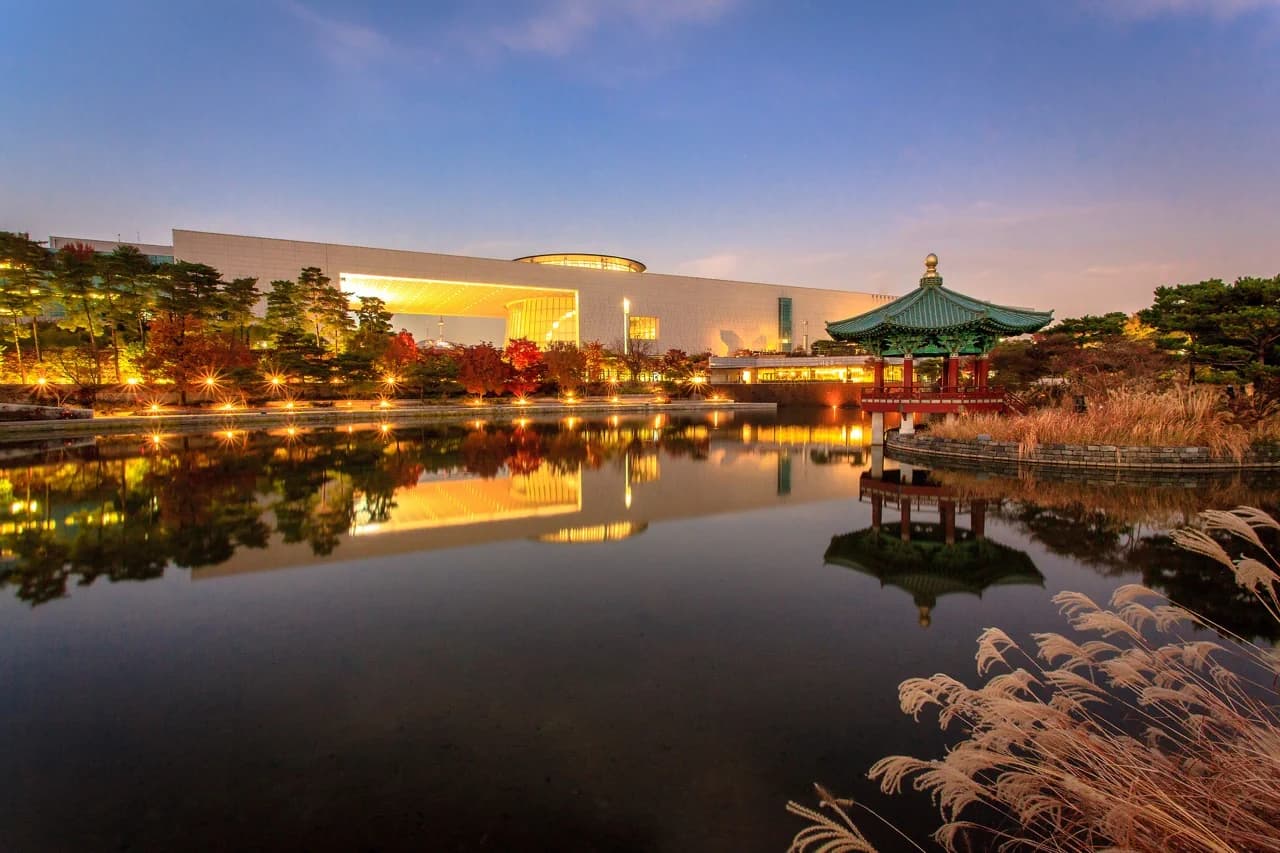
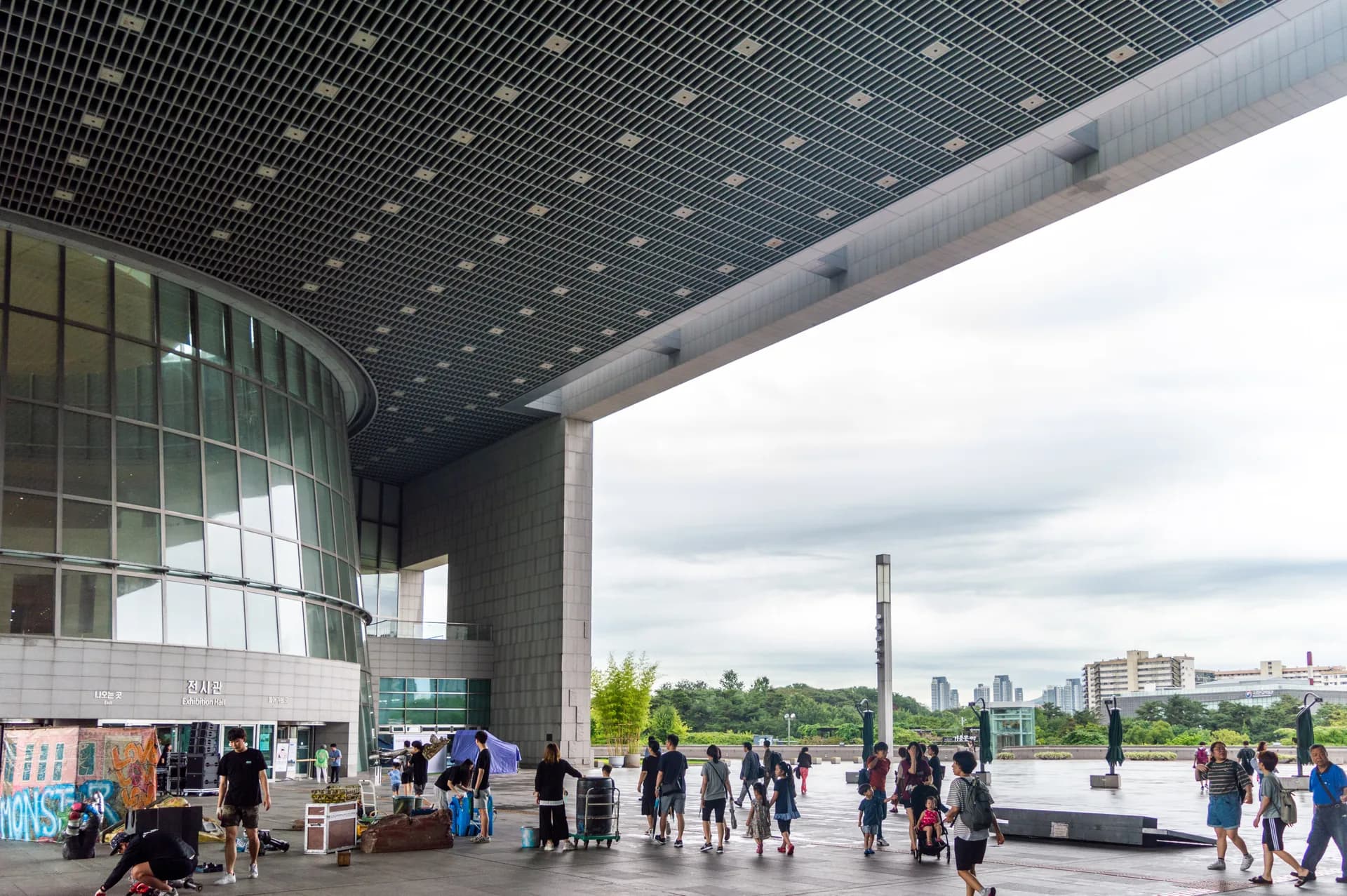
The museum is near Ichon Station in Yongsan, not beside Gyeongbokgung. Give it its own half-day if possible. The official visitor information has opening hours and practical details.
Several galleries are closed for renovation through January 28, 2027. These include Buddhist Sculpture, Metal Crafts and parts of the painting and crafts sections. Celadon and Buncheong Ware/White Porcelain remain open under the published closure notice. Check it before choosing a particular gallery.
National Palace Museum: make sense of royal objects
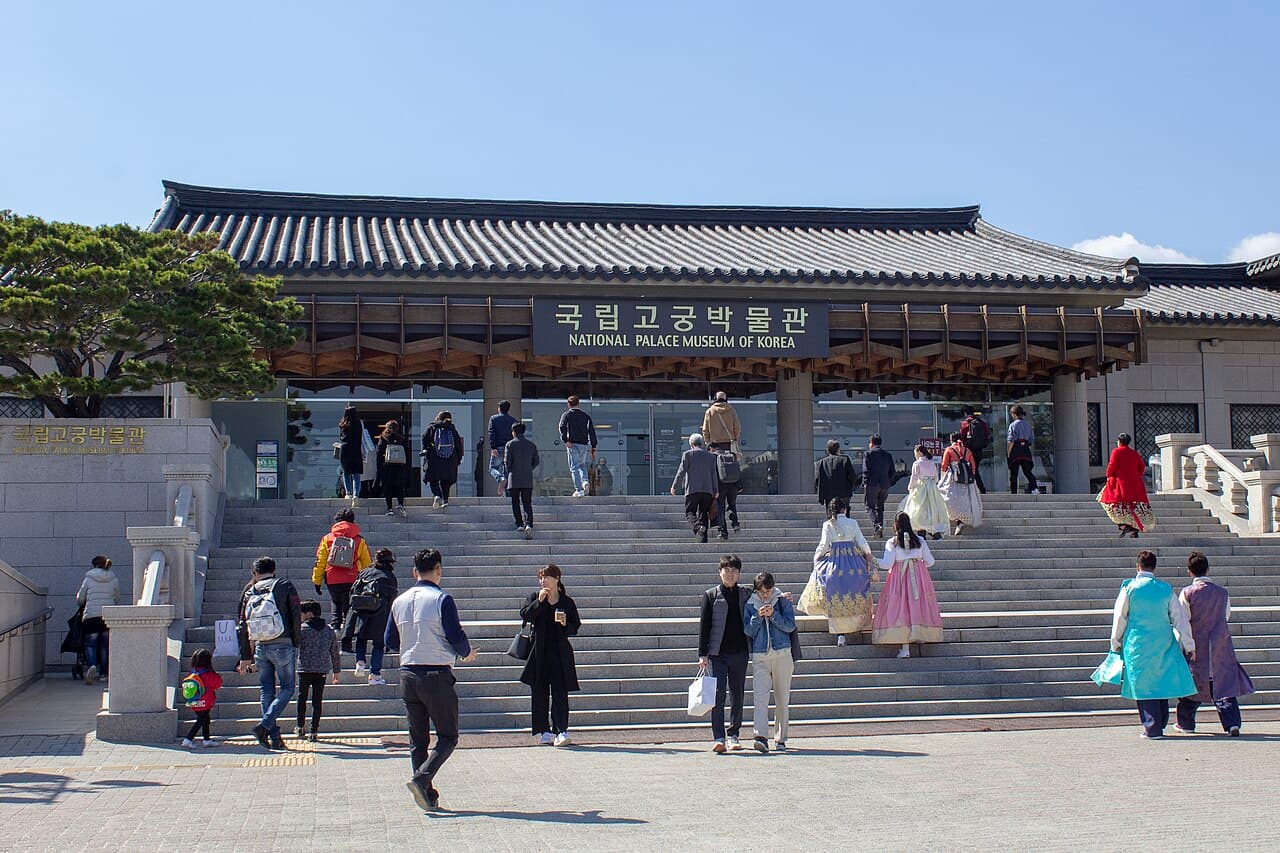
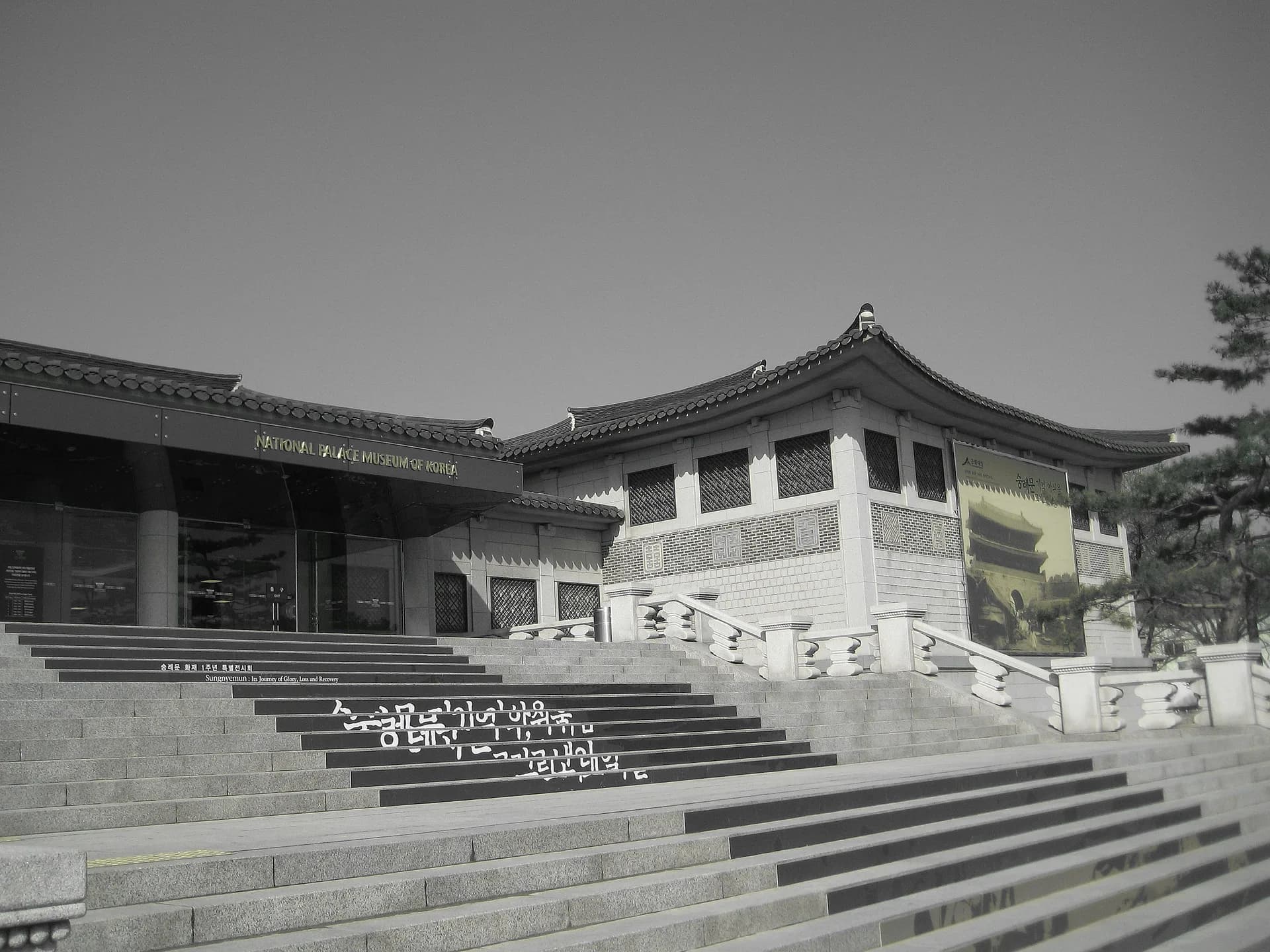
Choose the Palace Museum if the buildings at Gyeongbokgung make you wonder what happened inside them. Its focus is the Joseon royal court and Korean Empire: ceremonies, royal households, scientific instruments and the objects used to express authority.
A good approach is to follow one object closely. Who used it? Was it part of a ceremony or a daily task? A seal or a court record can explain something that an empty palace hall cannot.
This is a museum about the court, not a palace itself. Pair it with Gyeongbokgung when you want to connect objects with architecture. Check the museum’s visitor information for holiday closures and the regular last-Monday closure.
National Folk Museum: food, seasons and family life
Choose the Folk Museum if you are more interested in how people lived than in how a court ruled. Household objects, clothing and family ceremonies make the subjects familiar even when the customs are new to you.
In A Year in Korea, follow how work, food and clothing changed with the seasons. A life-passages display asks a different question: how did people mark events such as marriage and death?
This can be a useful contrast after a palace visit. Instead of another account of royal ceremony, you move towards a household and its routines. Choose one gallery to explore properly if you are getting tired.
Can you combine two museums?
- Already visiting Gyeongbokgung: add the Palace Museum for the royal story, or the Folk Museum for a change of subject.
- Want two museums in one area: pair the Palace and Folk museums. The contrast between court and household is the reason to do both.
- Staying around Yongsan: give the National Museum the time rather than crossing the city just to add another museum.
- Want a broader first-trip route: spread the National Museum and palace area over two days. This introductory route shows how.
Tickets and opening details to check
Permanent or general exhibitions at all three museums are free. Special exhibitions and separate facilities can have different admission or reservation requirements. A free museum visit does not include entry to Gyeongbokgung Palace.
Gyeongbokgung normally closes on Tuesdays. The Palace Museum has a different closing pattern, so do not assume the museum closes whenever the palace does. Check the Folk Museum’s visitor information separately as well, especially for a combined visit or a children’s program.
If this is your only museum day, choose the subject you would happily spend two hours with. A focused visit to one place will usually leave you with more to remember than a hurried circuit of three.
Sources & production notes
- NATIONAL MUSEUM OF KOREA>Visit>Visitor Information>Viewing hours · 국립중앙박물관 · Official source
Confirms the National Museum of Korea’s opening hours, free permanent galleries and closure guidance.
Source checked · Automated check
- NATIONAL MUSEUM OF KOREA>About Us>Media and Press>News and Press Releases · 국립중앙박물관 · Official source
Confirms the announced scope and dates of selected gallery closures in 2026–2027.
Source checked · Automated check
- General Information | VISITING | gogung · 국립고궁박물관 · Official source
Confirms the National Palace Museum’s free admission, opening hours and closure guidance.
Source checked · Automated check
- National Folk Museum of Korea - 영어 > Exhibitions > Permanent Exhibition > Permanent Exhibition 2 (A Year in Korea) · 국립민속박물관 · Official source
Confirms the permanent exhibition’s focus on seasonal life and customs.
Source checked · Automated check
- National Folk Museum of Korea - 영어 > Visitors Information > Visiting · 국립민속박물관 · Official source
Confirms free admission and the different reservation rules for general and children’s exhibitions.
Source checked · Automated check
Produced by ListenTrip
AI was used for research.