Modern Korean History in Seoul: Deoksugung and Two Museums
A museum route from the Korean Empire to contemporary Korea—without flattening the difficult parts of the story.
 ListenTrip 제작 이미지
Begin at Deoksugung, continue to the National Museum of Korean Contemporary History, and give the War Memorial a separate half-day. This route connects the Korean Empire, colonial rule, division, war and democratic change.
You do not need to learn every date first. Start with the short timeline below. At each stop, choose one object or place that helps explain a change.
Five dates that make the route easier
- 1897: Gojong proclaimed the Korean Empire.
- 1910: Japan annexed Korea; colonial rule continued until 1945.
- 1945: Liberation was followed by division into occupation zones.
- 1950–1953: The Korean War devastated the peninsula; an armistice halted large-scale fighting.
- 1987: Mass protests helped bring major democratic reforms in South Korea.
These are starting points, not a complete history. Liberation did not immediately reunify the peninsula, and the 1953 armistice was not a peace treaty. Democratic change also continued after 1987.
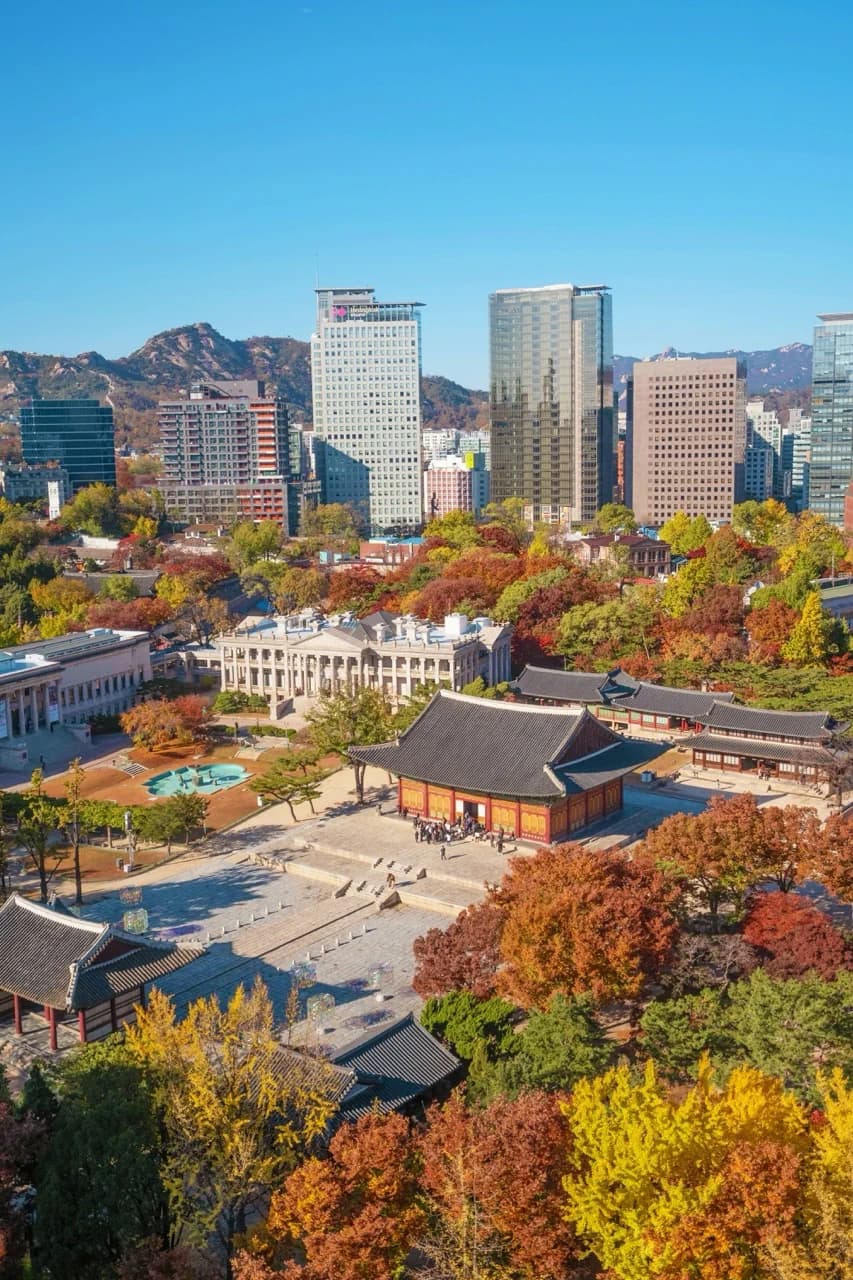
Deoksugung: start with the Korean Empire
Allow roughly 1–1½ hours for the grounds. Deoksugung, then called Gyeongungung, became the imperial palace when Gojong proclaimed the Korean Empire in 1897. The palace’s official history explains its changing role.
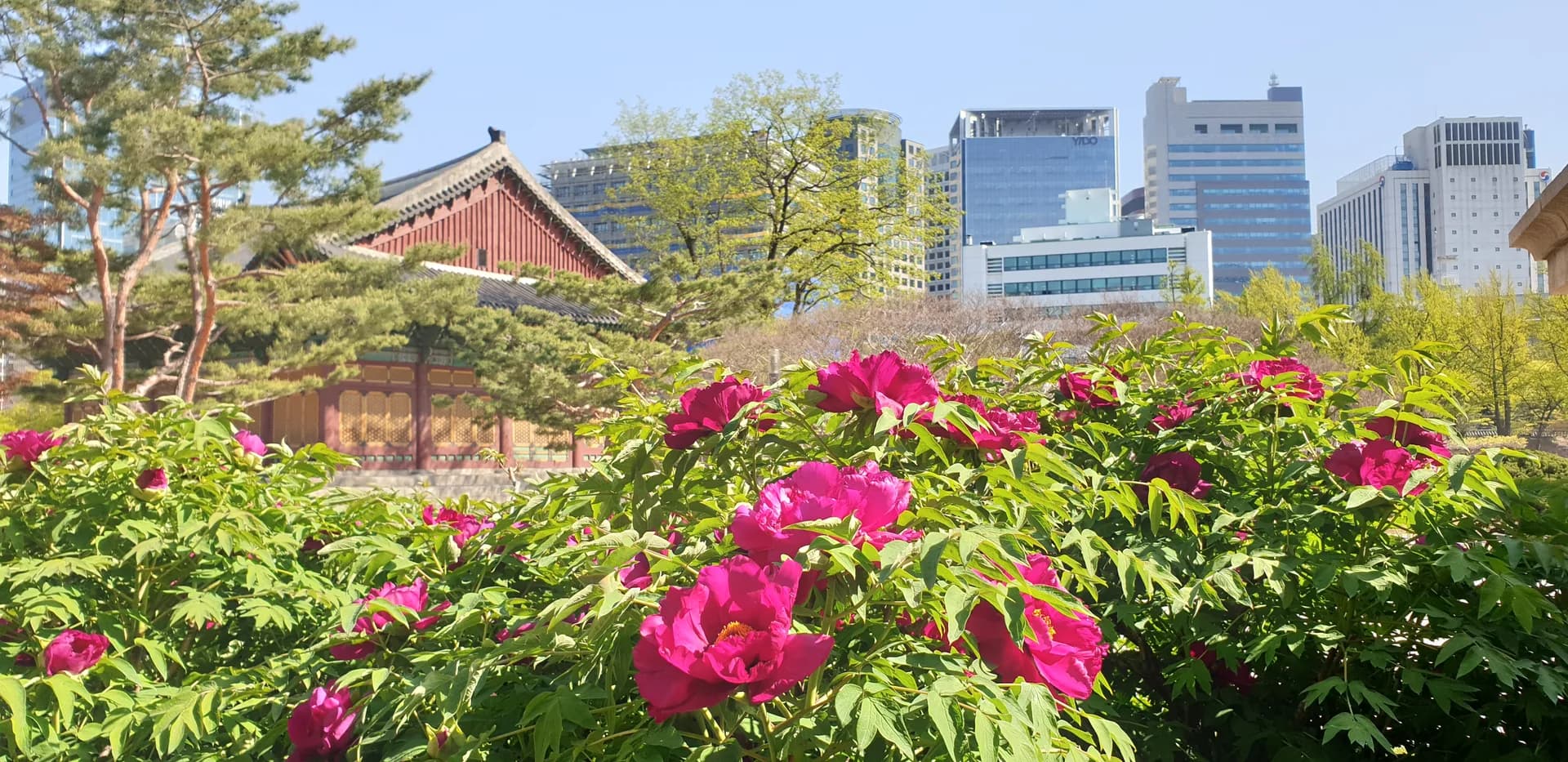
Compare the traditional timber halls with the Western-style Seokjojeon. You can see both within the same grounds. Rather than imagining a sudden switch from “old” to “modern,” notice how different building styles existed together.
Seokjojeon was completed in 1910. Its interior visit has separate arrangements, so check the current guided-program details if that is your priority. Seeing the exterior is still useful if you cannot enter.
The contemporary-history museum: put the events in order
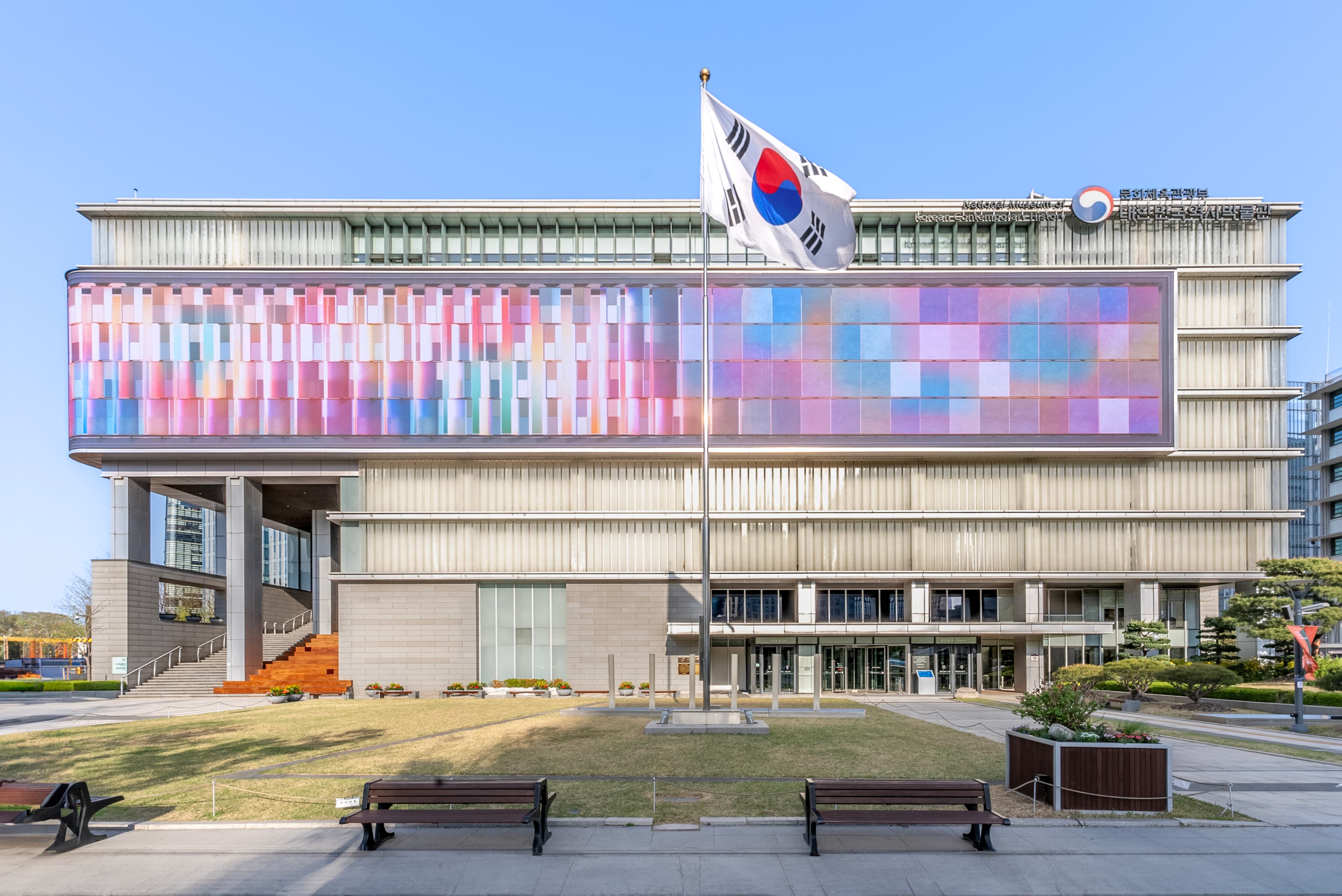
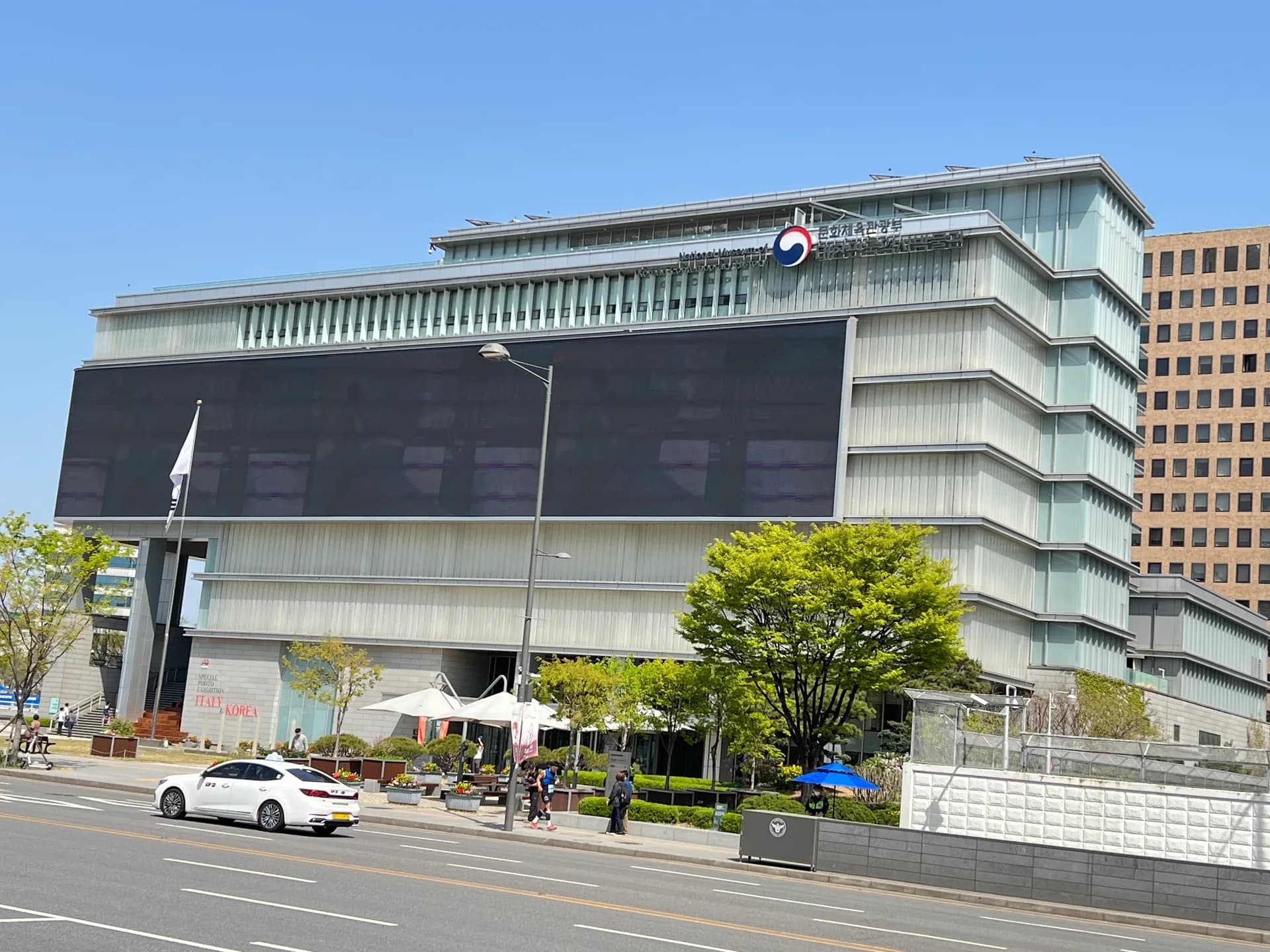
Continue to the National Museum of Korean Contemporary History near Gwanghwamun. Allow about 1½–2 hours for a focused visit. Its History Gallery starts in 1894 and follows the story through colonial rule, liberation, war, industrial growth and democratization.
Read a section’s main explanation before looking closely at its objects. Then choose one everyday item or personal record. A diary, photograph or household object can make a large political change easier to understand.
Ask two questions: What changed in the country? What changed in someone’s daily life? Keep both in mind through the postwar displays. Economic growth and democratic rights were connected to difficult choices, unequal costs and public struggles.
The museum’s guided-tour and audio-guide information includes English support for the History Gallery. Use it if the labels are moving faster than you want to read. You do not need to give every display equal time.
The War Memorial: give the Korean War more time
The War Memorial of Korea is in Yongsan. Make it a separate half-day if possible. Moving from palace history to a large war museum in one rushed day leaves little room to take in the material.
Begin with the war’s chronology, then choose a theme such as displacement, military service or remembrance. Read the labels around equipment as well as looking at the objects. What was it used for, and whose experience does the display describe?
A memorial is also a place of commemoration. Leave time for the spaces devoted to those who died. The visit need not become a list of tanks and aircraft.
The memorial currently lists free general admission, 09:30–17:40 opening and 17:00 last admission. Monday is the regular closing day, with holiday exceptions. Check current notices for gallery restrictions before travelling; renovation work can change what is accessible.
Choose a one-day or two-day version
- One day: Deoksugung in the morning, lunch, then the contemporary-history museum. Spend the remaining time on the part of the story that interests you most.
- Two days: Use that central-Seoul route on day one. Visit the War Memorial on day two.
- Only a few hours: Start with the contemporary-history museum for the continuous timeline. Save the palace or memorial for another visit.
These time allowances are suggestions. Deoksugung and the War Memorial normally close on Mondays, so check the date before connecting the stops. Guided interiors and individual galleries may close earlier than the grounds or building.
Where to go next
If you want the earlier royal story, follow the Joseon-to-Korean-Empire palace route. For everyday customs and the royal court’s objects, use the comparison of Seoul’s three history museums.
Before leaving a museum, pick one thing that changed your understanding. It might be a personal record rather than a famous exhibit. That gives the next stop a question to build on.
Sources & production notes
- Royal Palaces and Tombs Center - >Cultural Heritage Administration >Explore Heritage>Deoksugung Palace>Deoksugung Palace and Its History · 국가유산청 궁능유적본부 · Official source
Confirms Deoksugung’s Korean Empire history and its traditional and Western-style architecture.
Source checked · Automated check
- National Museum of Korean History>Visitor Information>Guided Tours · 대한민국역사박물관 · Official source
Confirms the history gallery’s chronological coverage and visitor guidance services.
Source checked · Automated check
Produced by ListenTrip
AI was used for research.