Korean History in Seoul: A First-Timer’s Museum and Palace Route
A first-timer’s route from ancient objects to royal space, court culture, and the rhythms of ordinary life.
 ListenTrip 제작 이미지
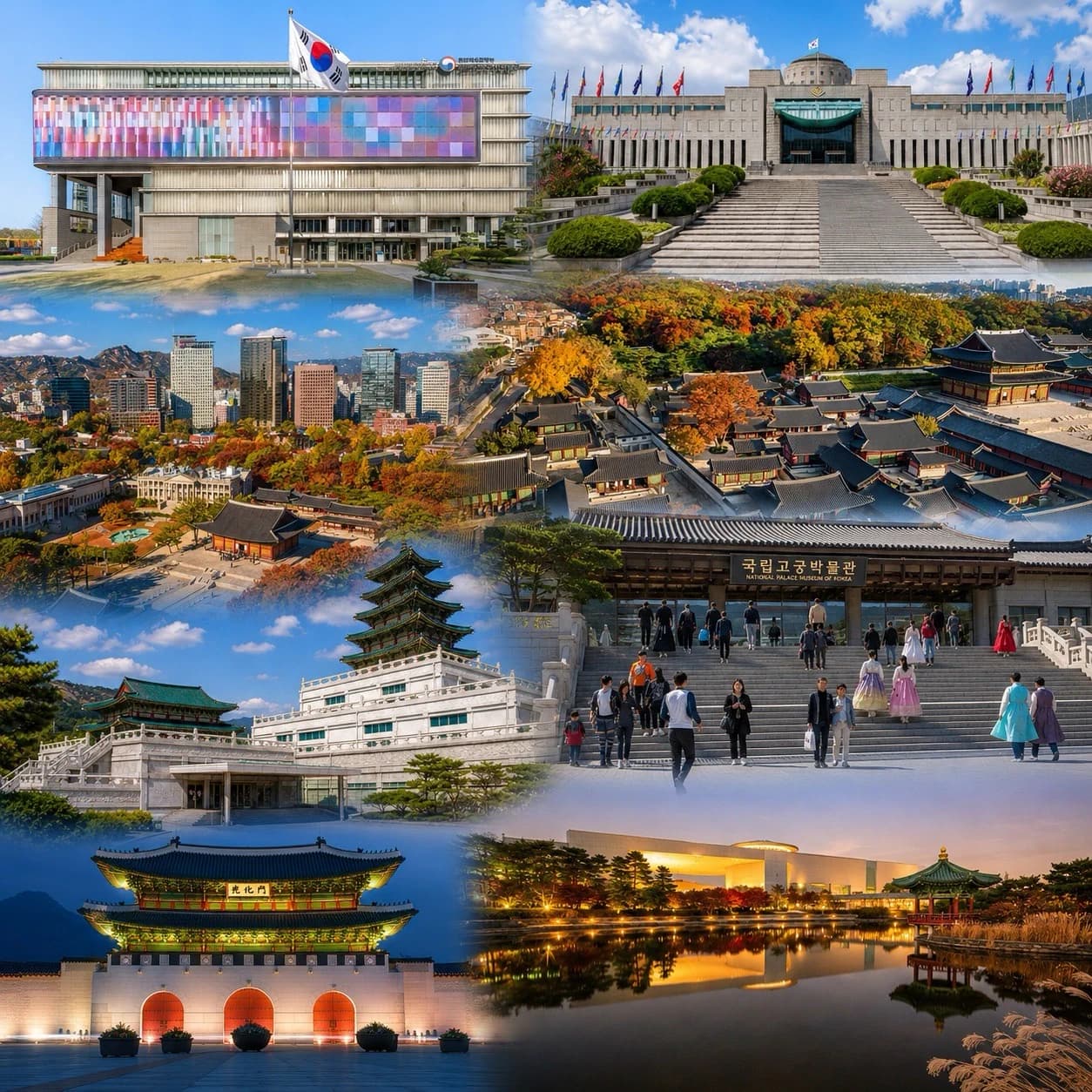
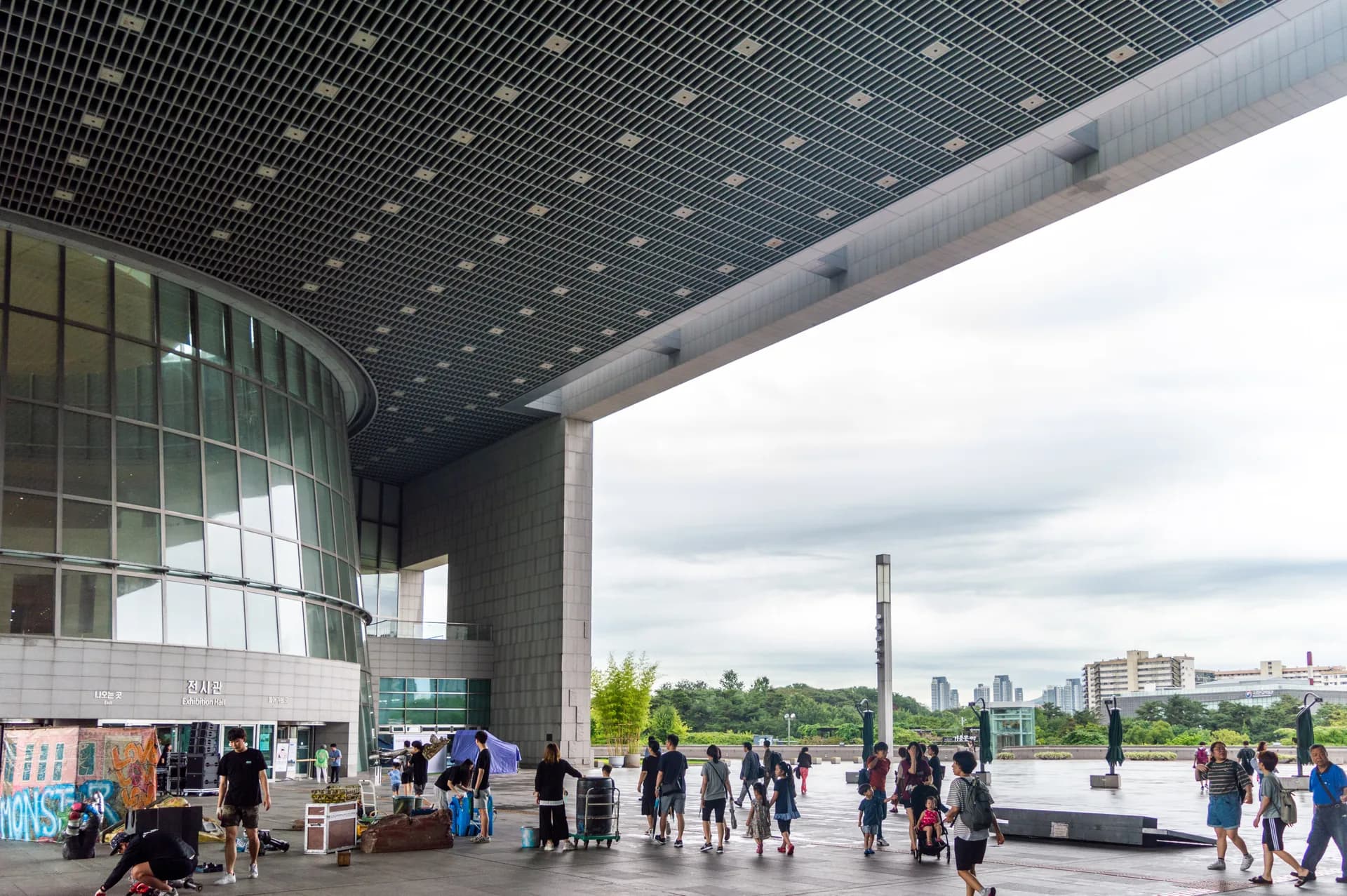
Start at the National Museum of Korea, then visit Gyeongbokgung on another day. The museum gives you the broad timeline. The palace shows how one dynasty used buildings and space. Add the nearby Palace and Folk museums if you want more detail.
This route is for a first visit, when names such as Goryeo and Joseon are still unfamiliar. You do not need to memorize them before you arrive. Give each stop one question, and the places become easier to connect.
The route in four stops
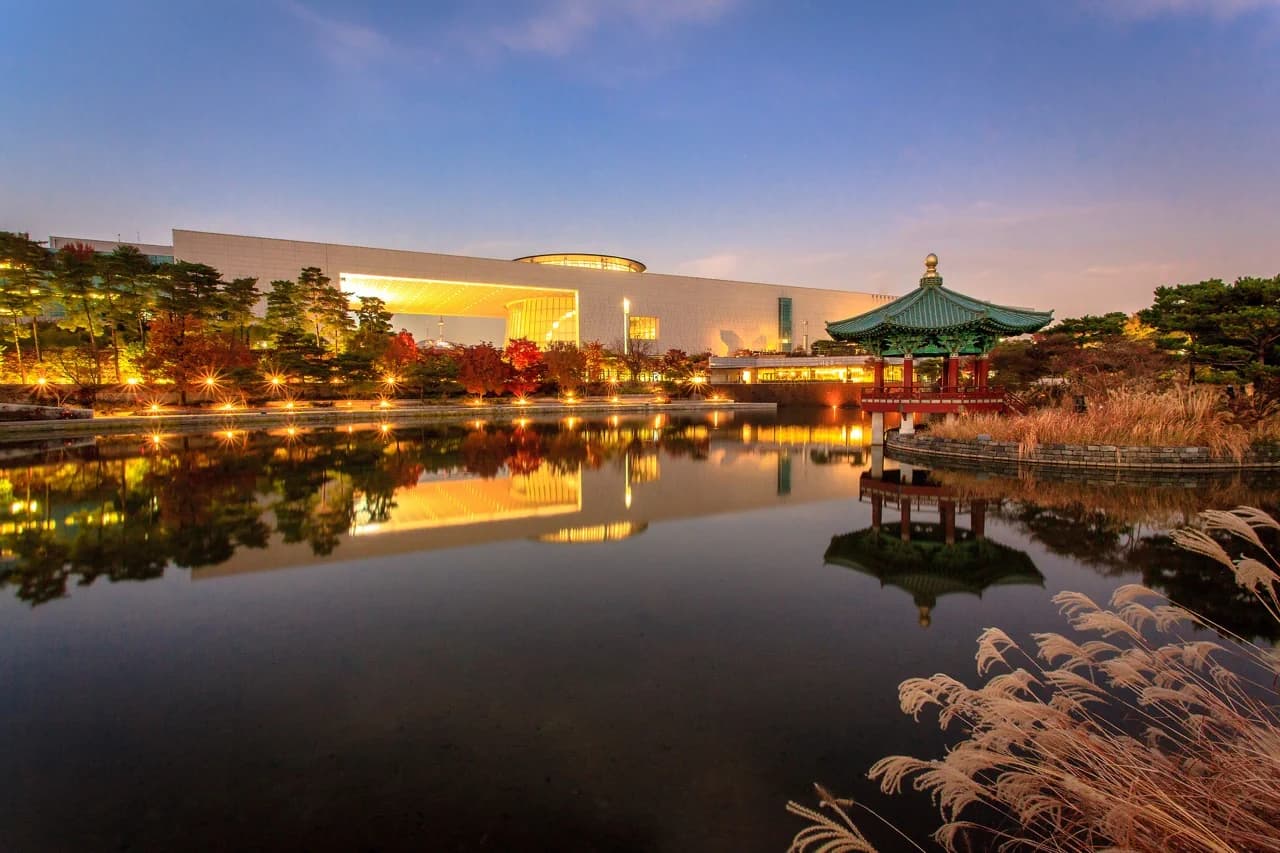
- National Museum of Korea: The longer history: ancient kingdoms, Goryeo and Joseon
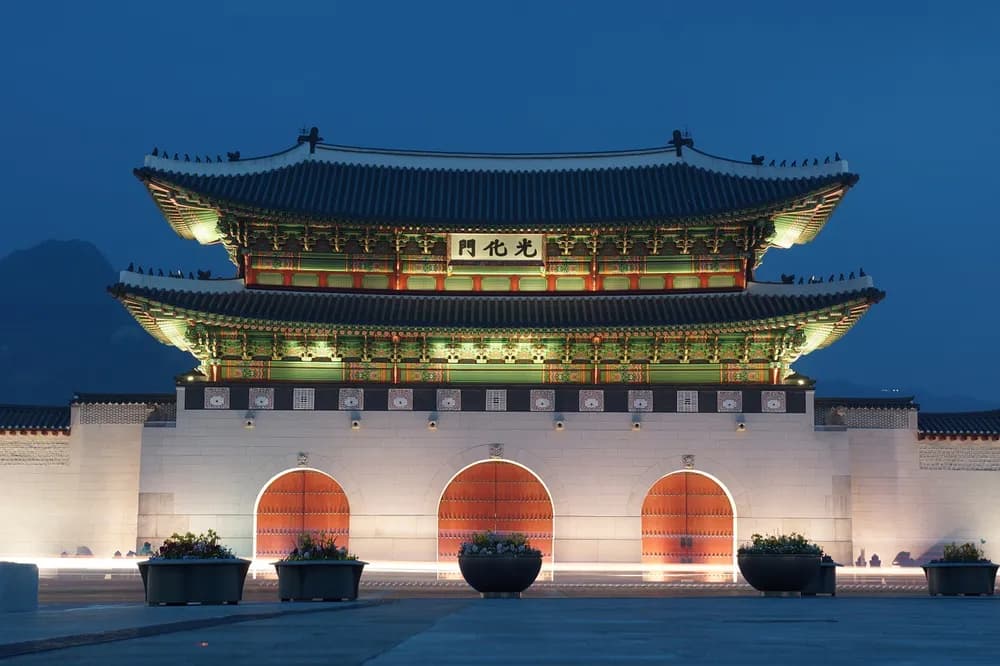
- Gyeongbokgung: How a Joseon palace organized royal life
- National Palace Museum of Korea: The objects and ceremonies used by the court
- National Folk Museum of Korea: How people worked, kept homes and marked the seasons
Use two days if you can. Spend one half-day in Yongsan at the National Museum, then a separate day around Gyeongbokgung. The time allowances below are planning suggestions, not fixed tour lengths.
Day 1: build a simple timeline at the National Museum
Allow roughly 2½–3 hours. Begin with the chronological galleries rather than trying to cover every floor. Look for a few changes you can recognize: a different kind of crown, a new ceramic glaze or a different way of showing the human figure.
Keep three names in mind. The Three Kingdoms period introduces several early states. Goryeo is associated with the celadon you will see in the ceramics galleries. Joseon is the dynasty you will meet again at Gyeongbokgung.
After the history galleries, choose one more interest. Ceramics can make a useful contrast: compare the colour and shape of two vessels before reading their labels. What could each have been used for? A small question is easier to carry through the gallery than a list of everything you should know.
Check gallery closures before choosing that extra stop. Several painting and craft galleries, including Buddhist Sculpture and Metal Crafts, are scheduled to be closed through January 28, 2027. The official renovation notice lists the rooms. Do not build the visit around a closed section.
Day 2: connect the palace to the people who used it
The Palace Museum, Gyeongbokgung and Folk Museum are in the same central area. Start with the Palace Museum, continue into the palace, then consider the Folk Museum. This keeps the day focused on one neighbourhood.
At the National Palace Museum, allow about an hour. Pick a royal object that interests you—a seal, a ceremonial record or a vehicle. Ask what it did, who could use it and why its appearance mattered. Those details make the palace buildings less abstract.
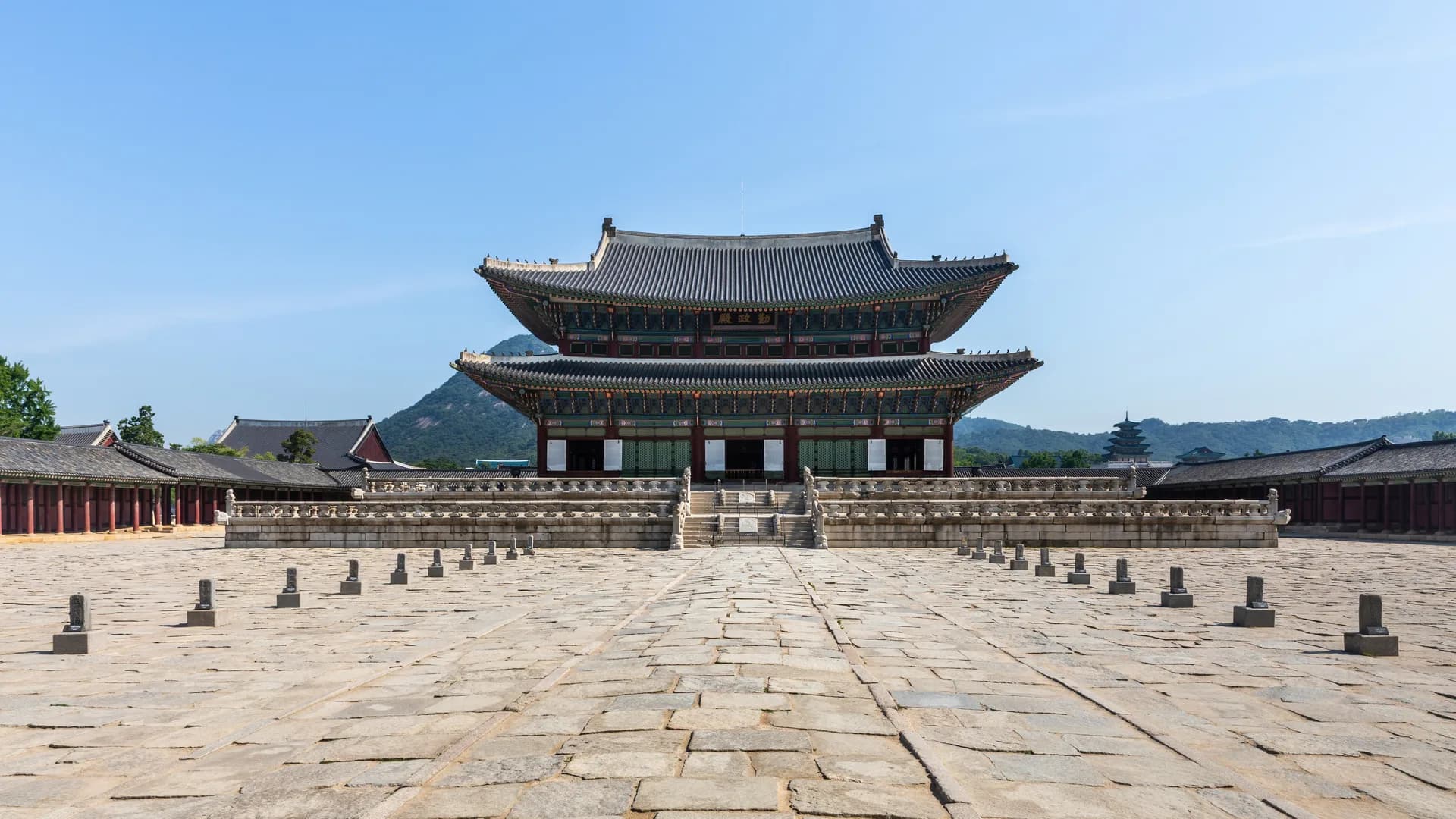
Then give Gyeongbokgung about 1½–2 hours. Walk from the entrance towards Geunjeongjeon, the throne hall. Notice the successive gates and the broad courtyard. They make approaching the king a very different experience from walking into a home.
The palace was founded in 1395, destroyed during the Japanese invasions and rebuilt in the nineteenth century. Further losses and restoration followed. It is not an untouched medieval palace; its rebuilding history is part of what you are seeing.
Still have energy? Spend around an hour at the National Folk Museum. A Year in Korea follows seasonal life. Compare that with a gallery about life passages: how did food, work and family ceremonies organize time beyond the court?
Only one day? Choose two stops
Pair the National Museum with Gyeongbokgung, allowing time to travel between Yongsan and central Seoul. Do not squeeze in both specialist museums as well. You will get a broad history and one palace visit without turning every room into a quick walk-through.
If you want to stay in one area, choose Gyeongbokgung plus either the Palace Museum or Folk Museum. This museum comparison explains which one fits your interests.
Before you set the dates
- Gyeongbokgung normally closes on Tuesdays. Holiday exceptions can change the schedule.
- The Palace Museum closes on the last Monday of each month as well as specified holidays. Check its visitor information.
- Permanent or general exhibitions at the three museums are free; special exhibitions can have different terms. Palace entry is separate.
- Check National Museum hours and Folk Museum visitor information before using a late opening or booking another activity afterwards.
For a first trip, a useful finish is being able to explain one connection: the object you saw in a museum and the palace or everyday activity it belonged to. You can leave the remaining galleries for another visit.
Sources & production notes
- NATIONAL MUSEUM OF KOREA>About Us>Media and Press>News and Press Releases · 국립중앙박물관 · Official source
Confirms the announced scope and dates of selected gallery closures in 2026–2027.
Source checked · Automated check
- Royal Palaces and Tombs Center - >Cultural Heritage Administration >Explore Heritage>Gyeongbokgung Palace>Gyeongbokgung Palace and Its History · 국가유산청 궁능유적본부 · Official source
Confirms Gyeongbokgung’s foundation, wartime destruction and restoration history.
Source checked · Automated check
- National Folk Museum of Korea - 영어 > Exhibitions > Permanent Exhibition > Permanent Exhibition 2 (A Year in Korea) · 국립민속박물관 · Official source
Confirms the permanent exhibition’s focus on seasonal life and customs.
Source checked · Automated check
- General Information | VISITING | gogung · 국립고궁박물관 · Official source
Confirms the National Palace Museum’s free admission, opening hours and closure guidance.
Source checked · Automated check
- NATIONAL MUSEUM OF KOREA>Visit>Visitor Information>Viewing hours · 국립중앙박물관 · Official source
Confirms the National Museum of Korea’s opening hours, free permanent galleries and closure guidance.
Source checked · Automated check
- National Folk Museum of Korea - 영어 > Visitors Information > Visiting · 국립민속박물관 · Official source
Confirms free admission and the different reservation rules for general and children’s exhibitions.
Source checked · Automated check
Produced by ListenTrip
AI was used for research.